What Is a Grain Bucket Elevator?
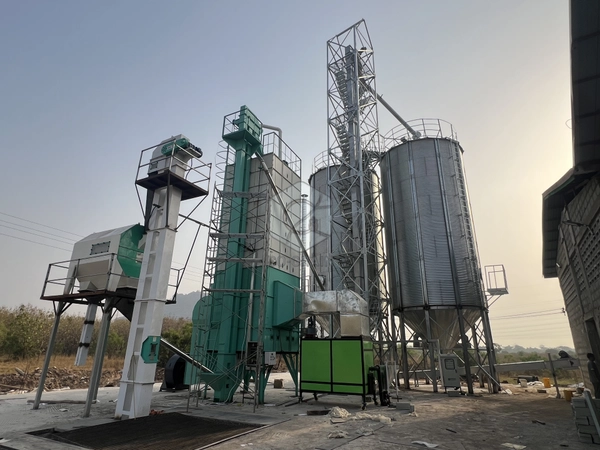
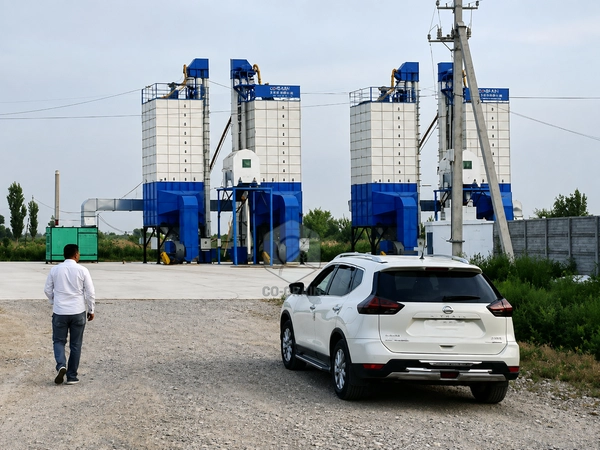
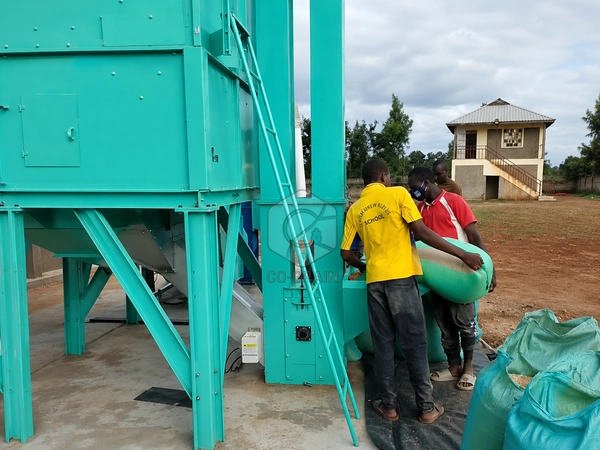
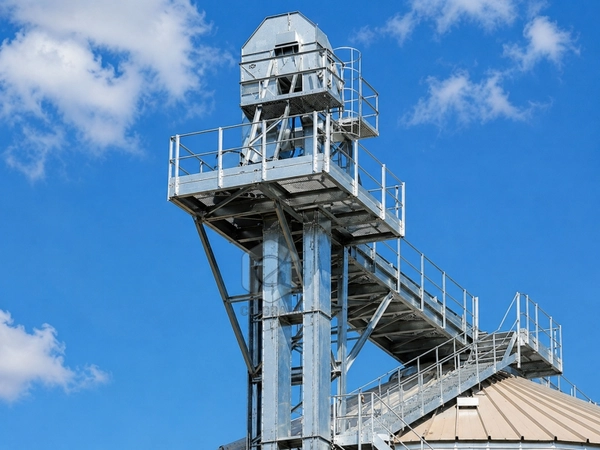
A grain bucket elevator continuously lifts bulk grain from a lower intake point to a higher discharge point. Buckets fixed to a belt or chain collect the material in the boot section, travel inside an enclosed casing and discharge at the head. Co-Grain configures bucket elevators for grain receiving, cleaning towers, dryer feeding, silo filling and processing-plant transfer according to the crop, capacity, lifting height and required grain-handling quality.
The elevator is not selected by capacity alone. Bucket shape, operating speed, filling method, head discharge, casing size, return-material control, drive arrangement and safety monitoring must work together.
Where the Elevator Fits in the Process
Typical positions include:
- Receiving conveyor to pre-cleaner or cleaning tower
- Wet-grain buffer to grain dryer
- Dryer discharge to cooling or dry-grain storage
- Ground conveyor to silo-top distribution equipment
- Silo discharge conveyor to truck loading or processing
- Raw-grain storage to rice mill, flour mill or feed-mill intake
Typical flow:
Process Flow: Grain Intake > Horizontal Conveyor > Bucket Elevator > Cleaner / Dryer / Silo-Top Conveyor
How It Works
Grain enters the boot through a controlled inlet. Moving buckets pick up the grain and carry it vertically inside the casing. At the head, the grain leaves the buckets and enters the discharge chute. The empty buckets return to the boot and repeat the cycle.
Stable operation depends on uniform feeding. Overfeeding may increase return material, blockage and motor load, while insufficient or uneven feeding reduces effective capacity. The inlet, boot shape and upstream conveyor should therefore be designed as one interface.
Main Product Advantages
Compact Vertical Lifting
The vertical arrangement uses limited floor area and connects ground-level receiving equipment with elevated cleaners, dryers, distributors and silo-top conveyors.
Enclosed Grain Transfer
The casing helps contain grain and dust. Transfer points can be connected to aspiration or dust-control equipment when required by the project.
Configuration for Grain Protection
Operating speed, bucket type, inlet arrangement, head geometry and drop height can be selected around the grain and acceptable damage level. Low-speed or gentle-handling configurations should be offered only after engineering confirmation.
System Integration
The elevator can be interlocked with intake conveyors, cleaners, dryers, silo distribution equipment and discharge conveyors so that equipment starts and stops in the correct sequence.
Inspection and Maintenance Access
The final scope can include boot cleanout, inspection doors, access platforms, ladders and lifting points according to the installation layout and local safety requirements.
Available Configuration Directions
- Belt-type or chain-type lifting mechanism, subject to the duty
- Standard, low-speed or heavy-duty arrangement after technical confirmation
- Indoor or weather-protected outdoor installation
- Carbon-steel, galvanized or specified protective finish
- Selected bucket material and profile
- Single or dual drive where required by the confirmed duty
- Head and boot wear protection at selected areas
- Backstop, brake or holdback arrangement where required
- Aspiration connection and sealed transfer points
- Local control or integration into a plant PLC
Applicable Materials and Projects
The elevator can be evaluated for paddy, corn, wheat, soybeans, seeds and other technically confirmed granular materials. Typical users include grain depots, commercial farms, rice mills, flour mills, feed plants, grain drying facilities and steel-silo storage projects.
Every intended material must be confirmed because bulk density, moisture, impurity level, flowability and fragility affect bucket filling, speed, power and discharge behavior.
Selection Information Required
Please provide:
- Grain or material name
- Bulk density, moisture and impurity condition
- Required normal and peak capacity
- Vertical lifting height
- Inlet and outlet elevations
- Operating hours and start frequency
- Indoor or outdoor installation
- Acceptable grain-damage requirement
- Available voltage and frequency
- Required connection with the upstream and downstream equipment
- Dust-control, safety-monitoring and automation requirements
Safety and Monitoring Options
Depending on the selected control scope, monitoring may include belt misalignment, speed loss, blockage, grain level, motor overload and bearing temperature. Emergency stops, access guards, rotation protection and safe isolation points should be coordinated with the plant safety design.
No sensor should be listed as standard unless it is included in the confirmed proposal.
FAQ
Can one bucket elevator handle several grains?
It may handle several compatible grains, but capacity, operating speed, bucket filling and damage control can change. Each intended crop should be included in the technical review.
Is a low-speed elevator always better for grain?
Not automatically. Lower speed may support gentler handling in some applications, but capacity, bucket selection, casing size and discharge geometry must also be coordinated.
Can the elevator be installed outdoors?
Yes, when the casing finish, weather protection, electrical equipment, access platforms and drainage are designed for the site conditions.
Which safety sensors are recommended?
Typical options include speed, belt misalignment, blockage and bearing-temperature monitoring. The final package depends on the elevator structure and project safety standard.
How is elevator capacity confirmed?
Capacity is confirmed from the grain, bulk density, moisture, bucket volume, filling rate, operating speed, lifting height and inlet/discharge conditions-not from casing width alone.