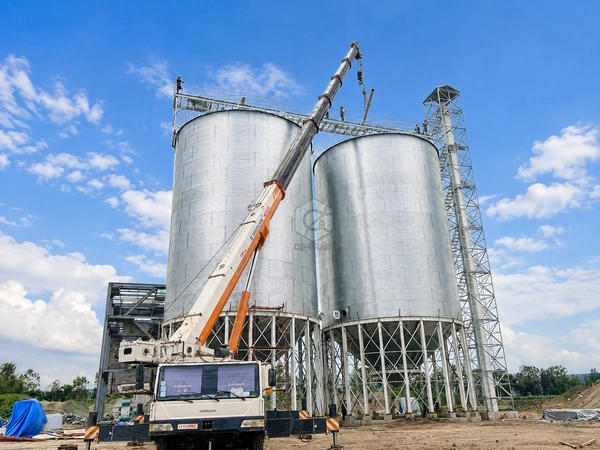
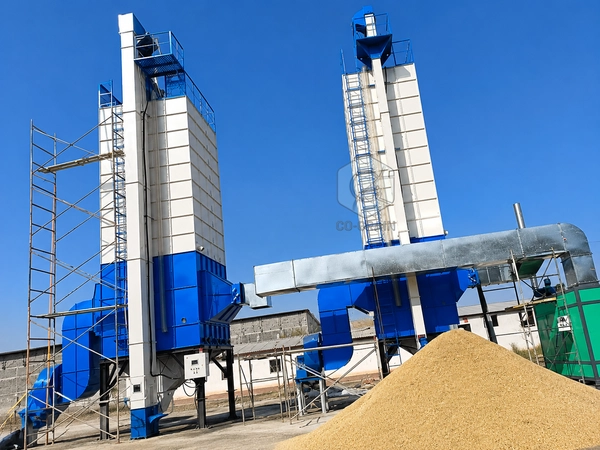
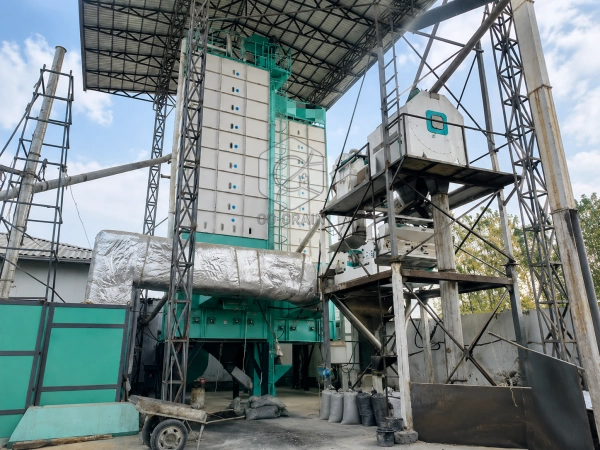
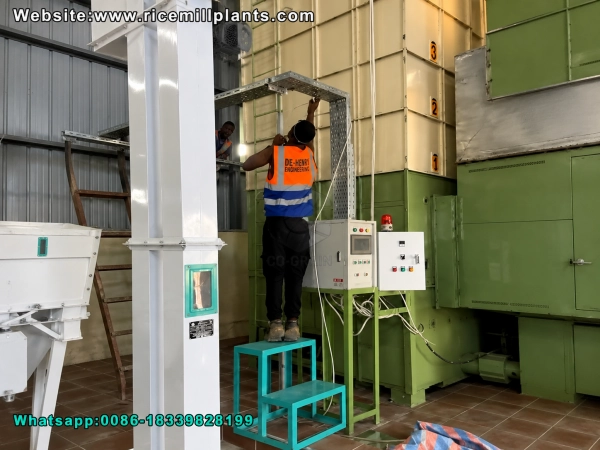
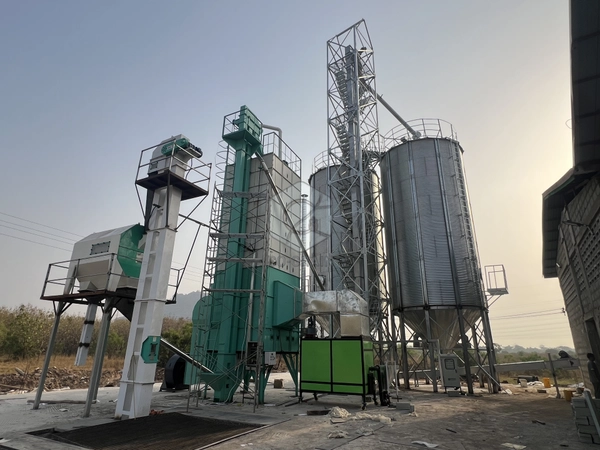
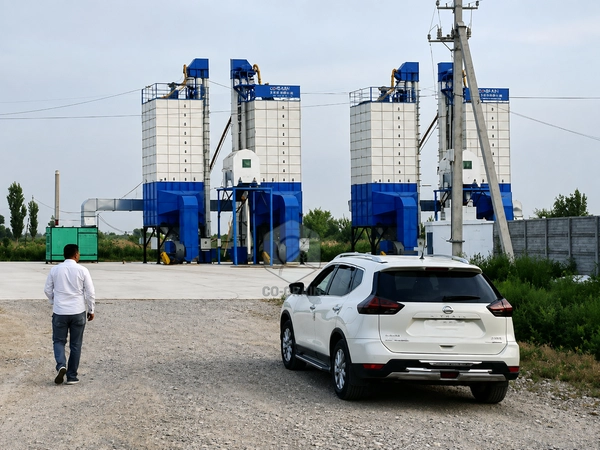
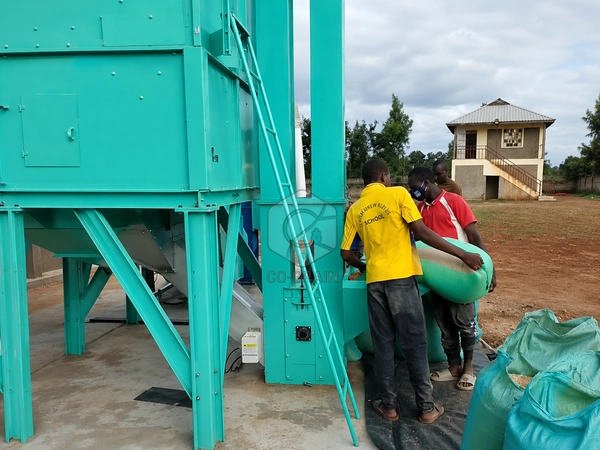
Co-Grain supplied and installed a 15-ton batch paddy dryer in Kenya for commercial rice paddy drying. The dryer is designed to reduce moisture under controlled temperature and airflow conditions, helping prepare harvested paddy for storage or further rice processing.
The batch configuration gives the customer flexibility to manage incoming paddy according to harvest volume, grain condition and the daily production schedule.
Project at a Glance
| Project Detail | Confirmed Configuration |
| Project Location | Kenya |
| Raw Material | Paddy rice |
| Dryer Capacity | 15 tons per batch |
| Application | Commercial paddy drying |
| Operating Method | Batch drying |
| Downstream Process | Paddy storage or rice milling |
Project Requirement
Freshly harvested paddy may contain more moisture than is suitable for stable storage or immediate milling. Incoming moisture can also vary between harvesting periods, fields and weather conditions.
The customer required a paddy drying machine that could:
- process paddy in manageable batches;
- reduce moisture under controlled conditions;
- maintain stable airflow through the grain;
- limit unnecessary overheating and over-drying;
- accommodate variations in incoming grain condition; and
- prepare dried paddy for storage or downstream milling.
A batch dryer was selected because it allows each load to be managed according to its actual moisture condition and the required drying result.
15-Ton Batch Paddy Drying Solution
The installed dryer has a nominal loading capacity of 15 tons per batch. Paddy is loaded into the drying chamber, where heated air passes through the grain layer to remove moisture.
Temperature, airflow, circulation and drying time can be adjusted according to the paddy condition and operating requirements. After the drying stage, the grain can be cooled and discharged for storage or further processing.
The drying system is designed to support:
- controlled moisture reduction;
- more uniform drying within each batch;
- flexible operation during the harvesting season;
- reduced risk of excessive drying;
- suitable preparation for grain storage; and
- stable raw-material conditions for rice milling.
Actual drying time and the number of daily batches depend on initial moisture, target moisture, ambient conditions, heat-source performance and operating practices.
Paddy Drying Process
The recommended processing route is:
Paddy Receiving > Pre-Cleaning > Batch Drying > Cooling > Temporary Storage > Rice Milling
Pre-cleaning before drying helps remove straw, dust and larger impurities that may affect grain flow and drying airflow. After drying, the paddy should be cooled and its moisture condition confirmed before it enters storage or the rice milling process.
Why a Batch Dryer Was Selected
Batch drying is suitable for projects where paddy arrives in separate loads or where incoming grain conditions vary during the harvesting season.
Flexible Batch Management
Different paddy batches can be dried according to their actual incoming moisture and quality requirements.
Controlled Drying Conditions
Temperature, airflow and drying time can be adjusted to suit the grain condition instead of applying one fixed program to every load.
Suitable for Seasonal Paddy Intake
The dryer can operate according to the customer’s receiving volume and production schedule during different harvesting periods.
Integration with Rice Processing
The dried paddy can be transferred to temporary storage or supplied to a rice milling line according to the downstream production plan.
Installation in Kenya
The paddy dryer was installed according to the confirmed site layout and equipment arrangement. Installation coordination included the positioning of the dryer and the connection of the material-feeding, discharge, heating, electrical-control and supporting interfaces included in the final supply scope.
Correct installation is important for stable grain flow, balanced airflow, convenient operation and future maintenance.
Before regular production, operators should confirm:
- equipment assembly and fastening;
- electrical and control connections;
- grain feeding and discharge operation;
- airflow and temperature settings;
- safety and protection devices; and
- the drying program for the actual paddy variety.
Operational Value
The installed system is designed to help the customer manage high-moisture paddy more effectively before storage or milling.
Its main operational objectives include:
- reducing dependence on natural sun drying;
- providing more controllable drying conditions;
- supporting flexible batch operation;
- improving coordination between harvesting and processing;
- preparing paddy for safer temporary storage; and
- providing a more consistent supply of raw material to the rice mill.
These are system objectives rather than claims of measured performance. Actual results depend on paddy variety, incoming moisture, target moisture, heat source, local climate, operator settings and equipment maintenance.
Engineering and Technical Support
Co-Grain can provide more than the paddy dryer itself. Depending on the project requirements, a complete paddy drying system can also integrate:
- grain receiving;
- pre-cleaning;
- bucket elevators and conveyors;
- wet grain buffering;
- dryer heating equipment;
- cooling;
- moisture monitoring;
- temporary storage silos;
- electrical control; and
- installation and commissioning support.
Each system should be configured according to the grain condition, required capacity, available heat source, site layout and downstream processing requirements.
FAQ
How much paddy can the dryer process in one batch?
The nominal loading capacity is 15 tons per batch. The actual operating load should follow the confirmed dryer design and the physical condition of the paddy.
How long does one drying batch take?
Drying time depends on the initial moisture, target moisture, ambient conditions, drying temperature, airflow and paddy variety. A fixed drying time should not be stated without actual operating data.
Can the dryer be connected to a rice mill?
Yes. The dryer can be connected with pre-cleaning, conveying, cooling, temporary storage and rice milling equipment to form a coordinated paddy processing system.
Can different paddy varieties use the same dryer?
The dryer may be used for different confirmed paddy varieties, but temperature, airflow, drying time and tempering settings should be adjusted according to the grain characteristics.
Plan a Paddy Drying Project
If you are planning a paddy drying project in Kenya or another rice-producing region, please provide your paddy variety, initial and target moisture, required capacity, available heat source, daily operating hours, storage or rice milling requirements and project location.
Co-Grain can recommend a suitable dryer and supporting system according to your actual project conditions.