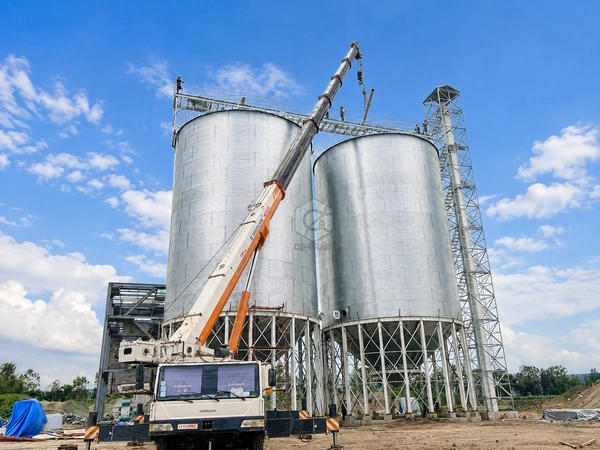
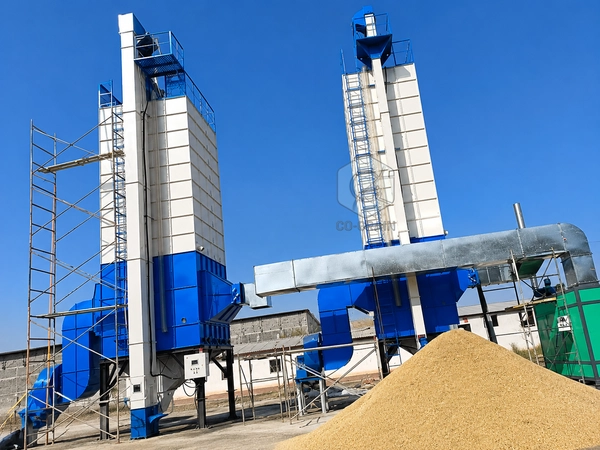
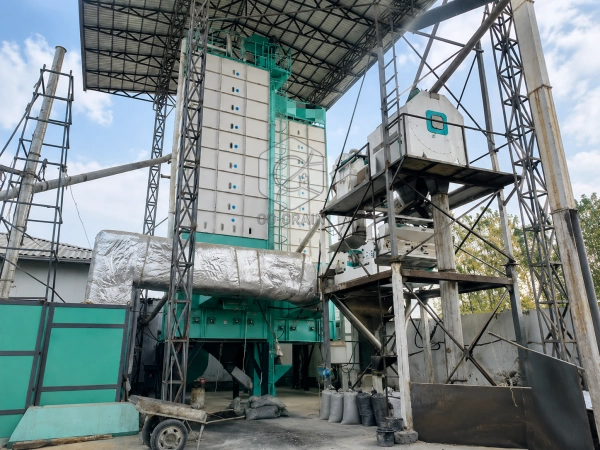
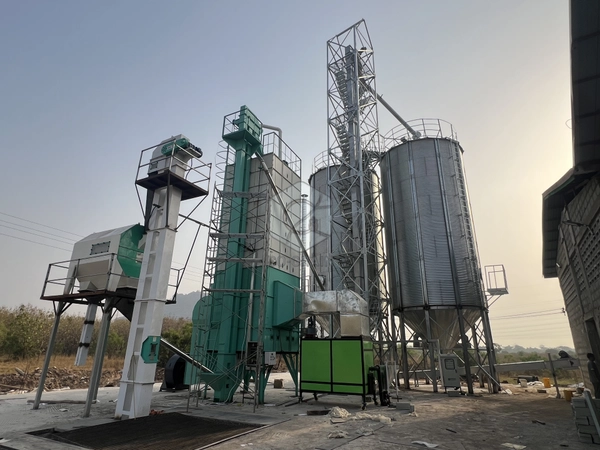
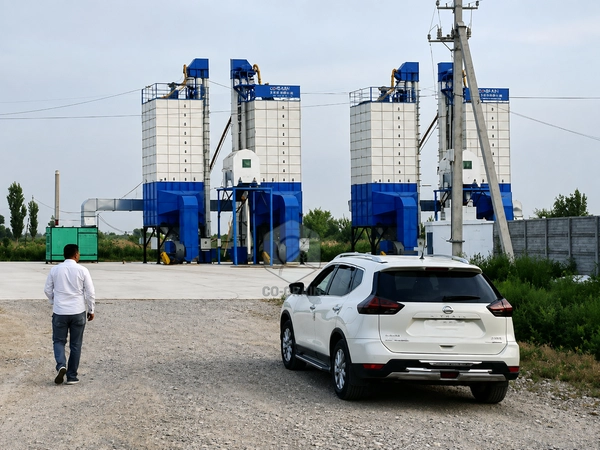
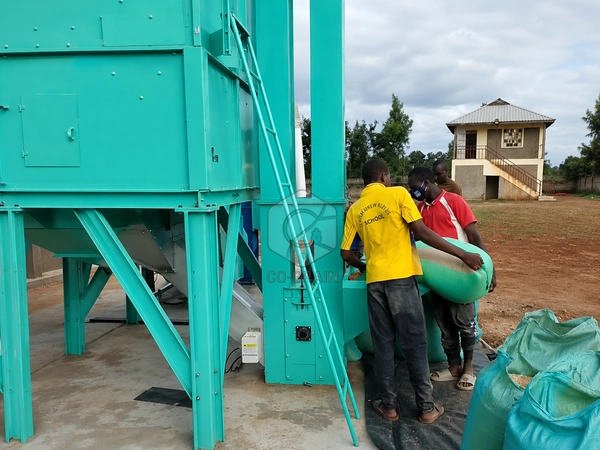
Co-Grain supplied a 15-ton-per-batch paddy drying system for a rice-processing customer in Ghana. The system provides controlled drying for freshly harvested paddy and prepares the grain for subsequent storage or rice milling. Its batch configuration gives the operator flexibility to handle changing intake volumes and moisture conditions during the harvest season.
Project Overview
| Project Detail | Confirmed Configuration |
| Project Location | Ghana |
| Application | Paddy / rice drying |
| Dryer Capacity | 15 tons per batch |
| Core Equipment | Batch paddy dryer |
| Project Type | Grain drying project |
| Downstream Use | Storage or rice milling |
Why the Customer Needed Mechanical Paddy Drying
Freshly harvested paddy normally contains more moisture than is suitable for stable storage or efficient milling. Open-air sun drying can be affected by rain, humidity, available drying space and labor. It may also produce uneven moisture when grain layers, turning frequency and weather conditions are not consistent.
The customer therefore required a dedicated mechanical drying system that could:
- Process approximately 15 tons of paddy in each batch.
- Reduce moisture under controlled temperature and airflow conditions.
- Improve drying consistency compared with weather-dependent outdoor drying.
- Support flexible operation as daily paddy intake changes.
- Prepare dried paddy for storage or downstream rice milling.
- Remain practical to operate, inspect and maintain under local conditions.
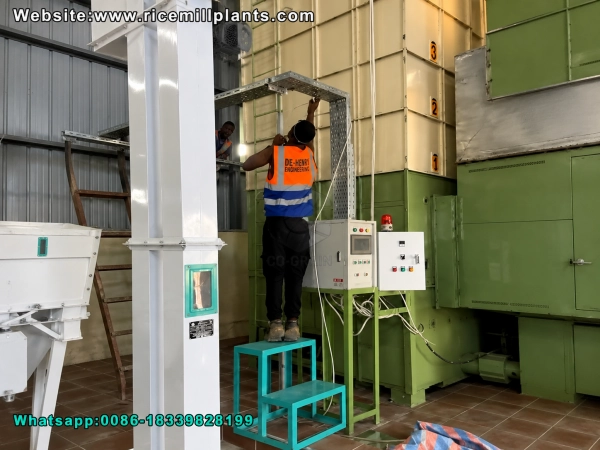
Co-Grain’s Project Solution
The system was configured around a 15-ton batch paddy dryer and the customer’s grain-handling sequence. Wet paddy enters the dryer, circulates through the drying chamber and repeatedly contacts controlled heated air. This circulation helps different portions of the grain receive more consistent drying treatment.
Drying settings can be adjusted according to the incoming paddy condition, required final moisture, grain variety and actual operating environment. Moisture is reduced progressively instead of relying on excessive heat or overly rapid drying. This approach supports more uniform moisture reduction while helping limit unnecessary grain stress.
Wet Paddy -> Feeding -> Batch Drying -> Moisture Checking -> Discharge -> Storage or Rice Milling
How the Batch Drying Process Works
Controlled Feeding
Wet paddy is transferred into the dryer according to the confirmed batch capacity. Stable feeding helps avoid irregular grain loading and supports consistent circulation inside the drying system.
Circulation and Heated-Air Drying
During operation, the paddy circulates through the dryer while heated air passes through the grain layer. The combined action of airflow, heat and grain movement removes moisture gradually and helps reduce variation within the batch.
Moisture Checking and Process Adjustment
The operator checks the paddy condition during drying and adjusts operating parameters when required. Actual settings should be based on initial moisture, target moisture, grain characteristics, ambient conditions and the selected heat source.
Controlled Discharge
When the confirmed moisture condition is reached, the dried paddy is discharged for temporary storage, silo storage or transfer to the rice milling line. The discharge connection can be coordinated with downstream conveying equipment according to the site layout.
Why a Batch Dryer Fits This Project
A batch dryer is well suited to rice-processing projects where wet paddy arrives in changing quantities or with different moisture levels. Production can be organized batch by batch without requiring a large continuous drying line to operate at a constant feed rate.
For this Ghana project, the 15-ton batch configuration provides a practical balance of handling flexibility, process control and integration with the customer’s subsequent storage or milling arrangements.
Drying Quality Considerations for Paddy
Paddy should not be dried by temperature alone. Excessive heat or rapid moisture removal may increase grain stress and can affect later milling performance. A suitable paddy drying process balances several operating priorities:
- Required drying capacity.
- Moisture uniformity within the batch.
- Appropriate grain temperature.
- Practical energy use.
- Stable preparation for storage or milling.
The most suitable operating settings depend on the actual paddy condition and project requirements. Co-Grain configures the dryer and supporting system around these confirmed inputs rather than applying one fixed drying program to every project.
Integration with a Complete Rice-Processing Line
The dryer can operate as a dedicated unit or as part of a larger paddy-handling and processing system:
Paddy Receiving -> Pre-Cleaning -> Wet Paddy Buffering -> Drying -> Dried Paddy Storage -> Rice Milling
Depending on the project scope, the complete solution may also include cleaners, bucket elevators, conveyors, buffer silos, storage silos, heating equipment and electrical control. Coordinating these sections helps maintain stable grain flow and reduces unnecessary transfer points between receiving, drying, storage and milling.
Installation and Project Support
The equipment was supplied for installation in Ghana according to the approved layout and local site conditions. Project planning considered the dryer position, feeding and discharge interfaces, grain flow, operating access and maintenance space.
Co-Grain can support equipment selection, process planning, layout coordination, installation guidance, commissioning guidance and operator training according to the confirmed project scope. Final responsibilities and service arrangements should be stated in the commercial contract.
Project Value
The installed paddy dryer gives the customer a dedicated mechanical drying method for harvested rice. It helps reduce dependence on suitable outdoor drying weather, provides better control of temperature and airflow, and supports more consistent preparation of paddy before storage or milling.
The batch system also creates a practical foundation for future expansion. Additional receiving, cleaning, conveying, storage or rice-milling equipment can be connected when production requirements increase.
Planning a Paddy Drying Project in Ghana or Other African Markets
Every rice-drying project should be configured from actual operating conditions. To recommend a suitable system, Co-Grain evaluates:
- Paddy type and variety.
- Initial and target moisture.
- Required batch or daily capacity.
- Harvest pattern and operating hours.
- Local climate and site conditions.
- Available heat source and fuel supply.
- Upstream cleaning and conveying requirements.
- Downstream storage and rice-mill capacity.
- Available space, power supply and expansion plans.
Send these project details to Co-Grain for a dryer recommendation, process proposal and equipment configuration suited to your application.
Frequently Asked Questions
What is the capacity of the Ghana paddy dryer?
The confirmed dryer capacity is 15 tons of paddy per batch. Actual daily throughput depends on incoming moisture, target moisture, drying conditions, operating schedule and the selected process configuration.
Can the dryer handle different paddy moisture levels?
Yes. Batch operation allows drying parameters to be adjusted for different incoming conditions. The actual drying program should be confirmed from the paddy variety, initial moisture, target moisture and local operating conditions.
Can this dryer connect to storage or a rice mill?
Yes. The discharge section can be coordinated with conveyors, temporary storage, grain silos or a rice milling line according to the project layout and required process.
What information is needed for equipment selection?
The main inputs include grain type, initial and target moisture, required capacity, heat source, local climate, operating hours, site layout, power supply and downstream process.