Why Must Wheat Use a Purpose-Specific Drying Program?
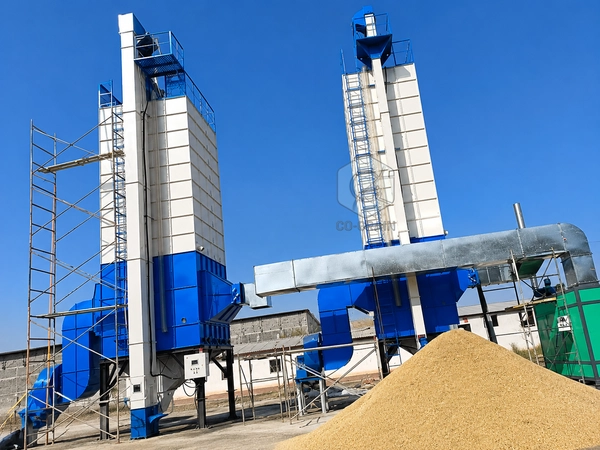
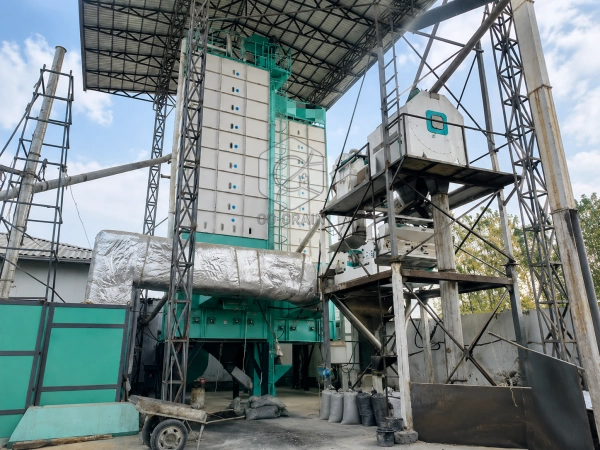
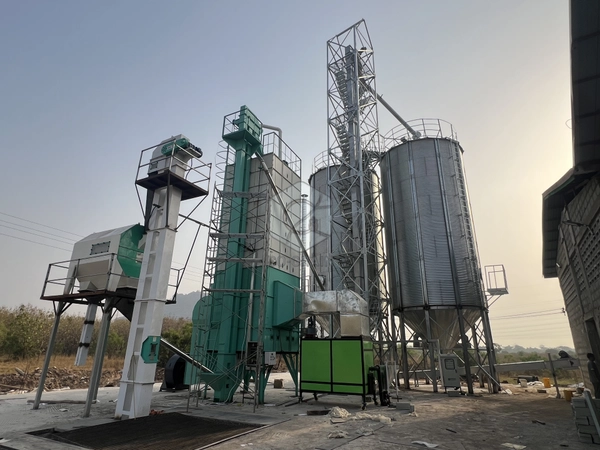
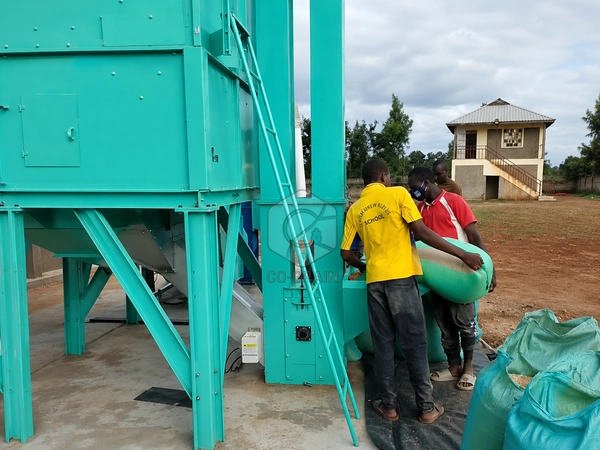
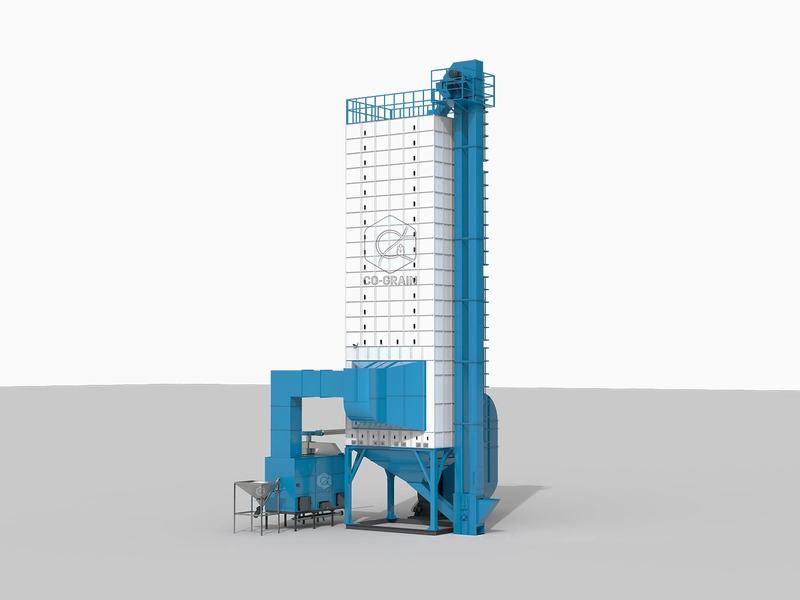
Wheat for commercial storage, flour milling and seed production has different quality priorities. Co-Grain configures the wheat dryer according to final use, incoming moisture, capacity, heat source and connection with raw-wheat silos or flour milling equipment. The drying program must control temperature, airflow, moisture uniformity and dust while considering whether the wheat will be stored, milled or used for planting.
Key Product Configuration
- Raw material: Commercial, milling or seed wheat
- Dryer options: Mixed-flow, circulating, batch or continuous
- Main controls: Drying-air temperature, grain temperature, airflow and final moisture
- Supporting systems: Pre-cleaning, dust collection, conveying, cooling and silos
- Downstream: Storage, flour mill intake or seed processing
- Critical question: What is the final use of the wheat?
Wheat Drying Process
Wheat Receiving > Pre-Cleaning and Dust Control > Wet Wheat Buffer > Controlled Drying > Tempering and Cooling > Moisture Verification > Storage, Milling or Seed Processing
Three Different Wheat Applications
Wheat for Commercial Storage
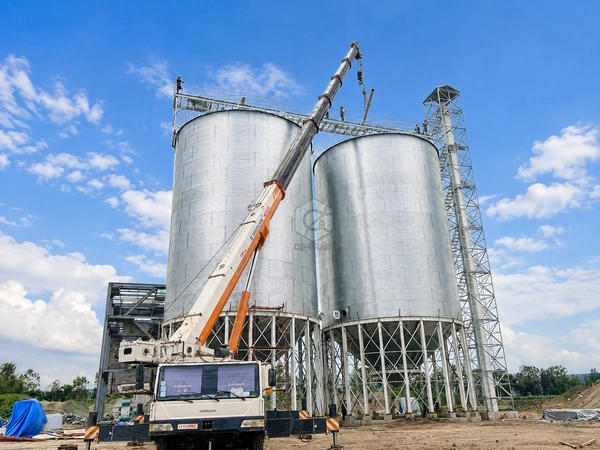
The priorities are stable final moisture, controlled grain temperature, reliable throughput and safe connection to the storage system.
Wheat for Flour Milling
The drying and storage process should support stable raw-wheat handling before cleaning, conditioning and milling. Excessive heat or uneven moisture can complicate downstream preparation.
Seed Wheat
Seed wheat requires a more conservative process. Maximum seed temperature, germination target and mechanical handling must be confirmed before selecting the dryer and operating program.
Cleaning and Dust Control
Wheat may contain straw, light impurities and dust that affect airflow and operating safety. Pre-cleaning, enclosed conveying and dust extraction should be selected according to the intake and site conditions.
Main Product Features
- Application-specific wheat drying program
- Adjustable temperature and airflow
- Tempering and cooling options
- Dust-control integration
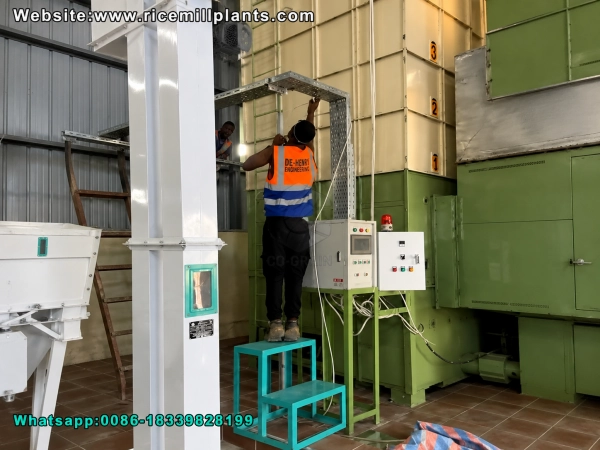
- Automatic moisture and temperature monitoring options
- Multiple heat-source options
- Connection with raw-wheat silos and flour mills
- Seed-drying configuration where technically confirmed
End Use Determines the Drying Program
Commercial-storage wheat, flour-milling wheat and seed wheat should not share one unqualified performance promise. Final use affects the acceptable grain temperature, handling intensity, moisture target, traceability and test plan. The quotation should state which application is being designed.
- Commercial storage: Stable moisture and temperature before safe storage
- Flour milling: Uniform condition and controlled heat exposure before milling or conditioning
- Seed wheat: Germination protection, gentle handling and batch identity
Reliable Operation, Maintenance and Safety
- Use suitable pre-cleaning and aspiration to reduce chaff, fines and dust loading.
- Confirm the temperature limit and sampling plan for the intended wheat use.
- Monitor airflow, grain movement, exhaust condition and discharge uniformity during operation.
- Control combustible dust around cleaning, conveying, drying and storage equipment.
- Keep each operating recipe and moisture result traceable where multiple wheat grades or seed lots are processed.
FAQ
Can the same dryer process wheat and corn?
Some models can, but wheat and corn require different capacity calculations, temperatures, residence times and control settings.
Is pre-cleaning necessary before wheat drying?
It is strongly recommended when the wheat contains straw, dust or other impurities. Cleaning improves airflow and reduces blockage and fire risk.
Can commercial wheat settings be used for seed wheat?
Not automatically. Seed wheat must use a confirmed temperature limit and process designed to protect germination.
Can the dryer connect directly to a flour mill?
It can connect to a raw-wheat storage and handling system feeding the mill. The system boundary and downstream conditioning process should be confirmed.