What Is a Grain Drying Tower?
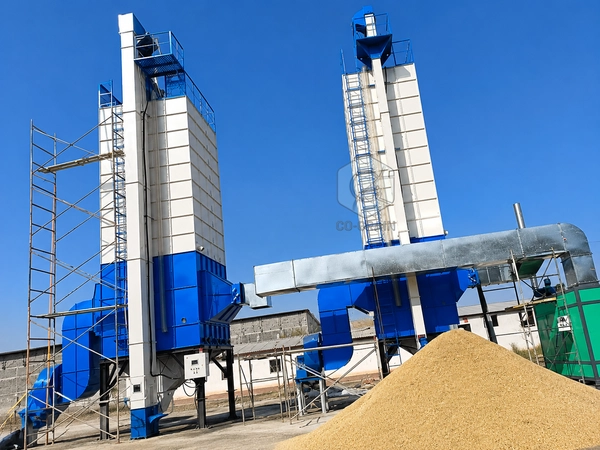
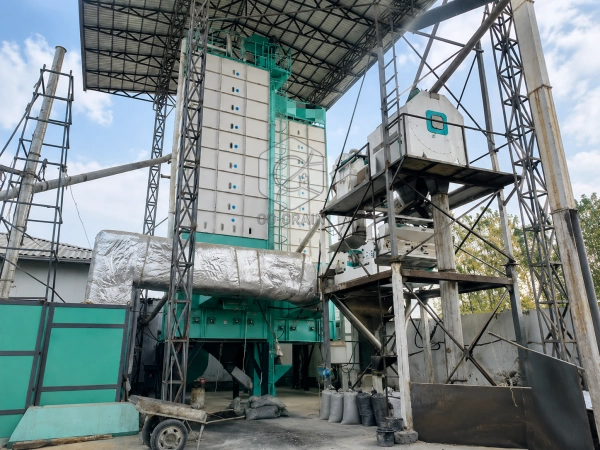
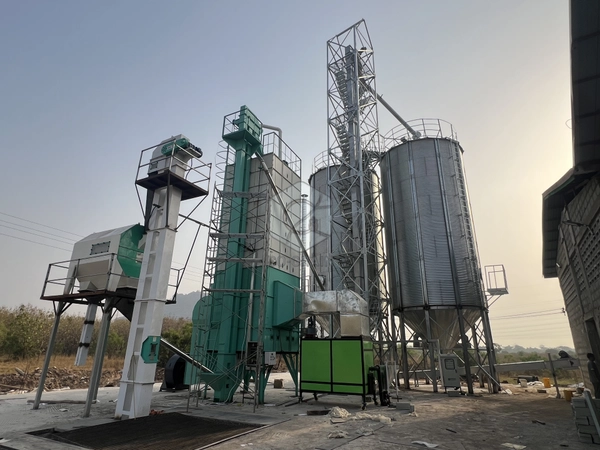
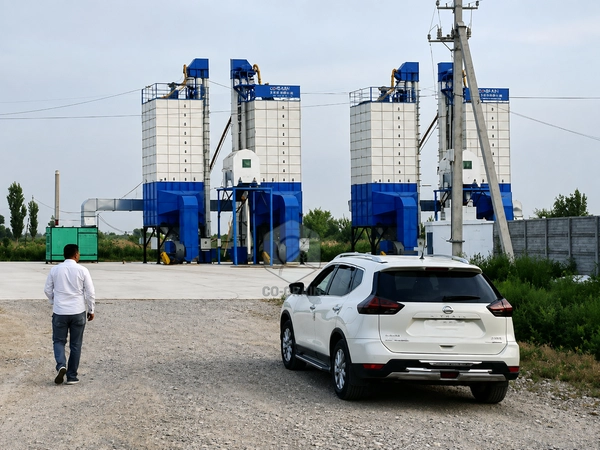
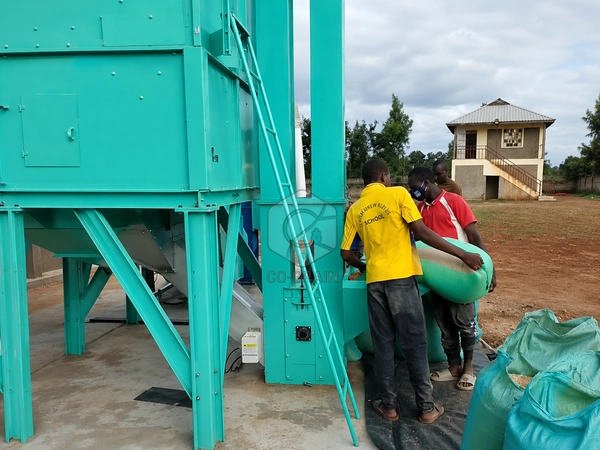
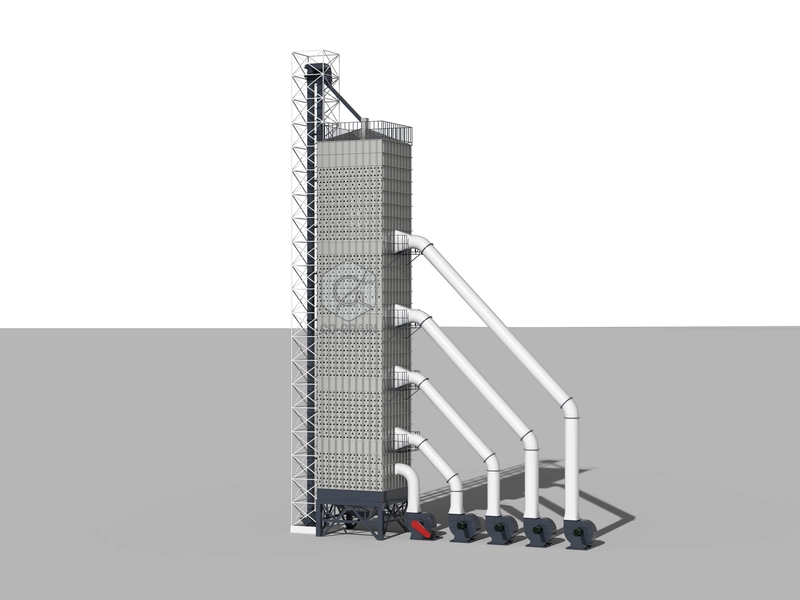
A grain drying tower is a vertical continuous-flow dryer designed to reduce the moisture content of harvested grain before storage or processing. Wet grain enters from the top, moves downward through the drying chamber and contacts controlled heated air. Moisture is removed as the grain passes through the drying, tempering and optional cooling sections.
Co-Grain configures the drying tower according to the grain, initial and target moisture, required wet-grain throughput, local climate, available heat source, grain-quality requirements and plant operating schedule.
The drying tower is normally integrated with grain receiving, pre-cleaning, wet-grain buffering, conveying, heating, cooling, moisture monitoring and dry-grain storage equipment.
Position in a Grain Drying Plant
Process Flow: Wet Grain Receiving > Pre-Cleaning > Wet Grain Buffer > Bucket Elevator > Grain Drying Tower > Cooling and Moisture Verification > Dry Grain Storage or Processing
Pre-cleaning is recommended before grain enters the drying tower. Stalks, chaff, dust and large impurities can affect airflow, cause blockage and increase fire risk.
How Does a Grain Drying Tower Work?
Wet grain is lifted to the top of the tower and distributed across the drying chamber. The grain then moves downward under gravity while heated air passes through the grain layer.
The heated air transfers energy to the grain and absorbs evaporated moisture. Humid exhaust air leaves through the exhaust channels. The discharge system controls the grain’s downward movement and residence time.
Depending on the selected configuration, the process may include:
- Upper grain-distribution section
- Preheating section
- Main drying section
- Tempering or moisture-equalization section
- Cooling section
- Controlled discharge section
Drying performance depends on the coordination of air temperature, airflow, grain flow, residence time and discharge speed.
Main Tower Sections
Grain Feeding and Distribution
The top feeding system distributes wet grain across the drying chamber. Uniform distribution helps reduce uneven grain depth and inconsistent drying.
Level instruments may be used to monitor the grain inside the tower and coordinate the upstream elevator and feeding conveyor.
Drying Chamber
The drying chamber contains air ducts or channels that direct heated air through the moving grain.
Depending on the confirmed tower structure, airflow may follow mixed-flow, cross-flow or another engineered arrangement. The selected structure should match the crop, required moisture reduction and quality target.
Hot-Air Supply System
The hot-air system provides controlled drying energy and may include:
- Biomass hot-air furnace
- Rice-husk furnace
- Natural-gas burner
- LPG burner
- Diesel burner
- Steam heat exchanger
- Other technically confirmed heat sources
Direct or indirect heating should be selected according to the fuel, product requirements and local regulations.
Tempering Section
A tempering section allows moisture inside the grain kernel to redistribute before further moisture removal or cooling.
Tempering can help manage the moisture gradient created during drying. Required tempering time depends on crop, kernel structure and operating conditions.
Cooling Section
The optional cooling section reduces grain temperature before the grain enters storage.
Cooling requirements depend on the ambient condition, storage period and downstream process. Hot grain should not enter long-term storage without confirming its discharge temperature and storage suitability.
Controlled Discharge System
The discharge mechanism regulates the speed at which grain moves through the tower.
A stable discharge rate helps maintain consistent residence time and final moisture. Variable-speed control may be used where included in the automation package.
Main Product Advantages
Continuous Grain Drying
Wet grain enters and dried grain leaves continuously, making the tower suitable for commercial grain depots, large farms and storage projects with stable daily intake.
Controlled Airflow
The air-channel arrangement is designed to distribute heated air through the grain layer. Correct airflow helps support stable moisture removal and avoids localized overheating.
Adjustable Drying Conditions
Drying-air temperature, airflow and discharge speed can be adjusted according to the confirmed grain and moisture condition. Each crop requires a separate operating program.
Integrated Heating Options
The drying tower can be matched with different heat sources based on local availability, fuel quality, product requirements and operating cost.
Optional Tempering and Cooling
Tempering and cooling sections can be included according to the crop, required moisture reduction and final storage condition.
Automatic Monitoring
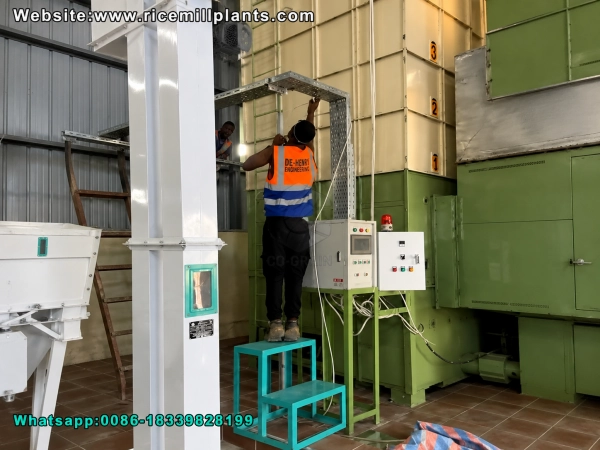
The control system can monitor selected temperatures, grain level, equipment status, discharge rate and safety alarms.
Connection with Complete Grain Systems
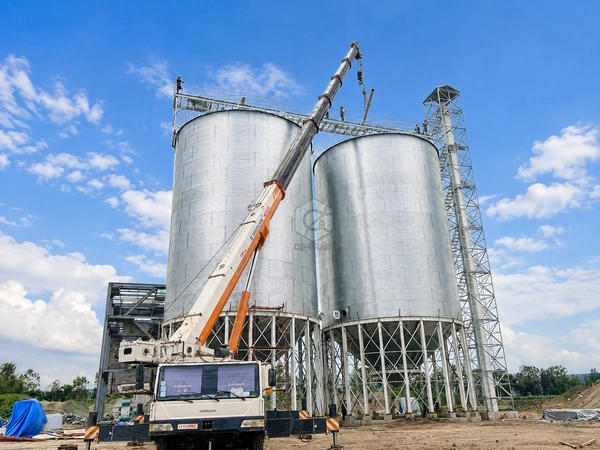
The tower can be integrated with grain intake equipment, pre-cleaning equipment, wet-grain buffer silos, bucket elevators, horizontal conveyors, heating equipment, dry-grain storage silos and plant control systems.
Suitable Grains
The grain drying tower can be evaluated for:
- Corn or maize
- Wheat
- Paddy or rough rice
- Soybeans
- Sorghum
- Rapeseed
- Sunflower seed
- Other technically confirmed grains
The same drying tower may process several grains, but capacity, temperature, airflow and discharge settings will change.
Seed applications require a separate low-temperature evaluation to protect germination potential.
Typical Applications
- Commercial grain drying plants
- Grain storage depots
- Corn collection and storage facilities
- Wheat storage and flour-mill intake systems
- Rice mills and paddy storage projects
- Feed-material storage plants
- Large agricultural farms
- Cooperatives and grain-trading companies
- Complete drying and steel-silo projects
Grain Drying Tower Selection
A drying tower should not be selected from nominal capacity alone. Co-Grain evaluates the complete operating basis.
Grain Type
Corn, wheat and paddy have different kernel structures, airflow resistance and temperature limits.
Initial and Target Moisture
Required water removal determines the thermal load, residence time and effective throughput.
Wet-Grain Capacity
The proposal should clearly distinguish:
- Wet-grain input per hour
- Dry-grain output per hour
- Daily wet-grain throughput
- Nominal tower holding capacity
These values are not interchangeable.
Ambient Conditions
Local temperature, relative humidity and altitude affect drying performance, airflow and heating requirements.
Heat Source
Fuel availability, quality, price, emissions requirements and product-contact restrictions affect heating-system selection.
Final Grain Use
Grain intended for storage, milling, feed processing or seed use may require different temperature and quality controls.
Heating-System Selection
The drying tower and heat source must be selected together.
Required thermal duty depends on:
- Grain type
- Wet-grain input
- Initial and target moisture
- Ambient temperature and humidity
- Drying-air temperature
- Airflow
- Heat losses
- Required cooling
- Operating hours
Fuel consumption should not be published as a fixed value without stating the grain, moisture reduction, ambient condition and selected heating system.
Temperature and Moisture Control
Depending on the selected automation package, the drying system may monitor:
- Drying-air temperature
- Exhaust-air temperature
- Grain temperature
- Incoming grain moisture
- Discharge grain moisture
- Grain level
- Fan status
- Burner or furnace status
- Discharge speed
- Motor overload
- Air-pressure condition
- Over-temperature alarms
- Operating history
Drying-air temperature and actual grain temperature are different measurements and should not be used interchangeably.
Online moisture instruments should be checked against representative grain samples.
Required Supporting Equipment
A complete grain drying tower project may include:
- Wet-grain intake hopper
- Grain pre-cleaner
- Wet-grain buffer silo
- Bucket elevator
- Feeding conveyor
- Grain drying tower
- Hot-air furnace or burner
- Fans and air ducts
- Cooling equipment
- Dry-grain conveyor
- Dry grain storage silo
- Dust-management equipment
- Electrical control and PLC system
The final equipment list depends on the project layout and agreed supply boundary.
Safety and Maintenance
Grain drying combines heat, airflow, combustible material, dust and continuous conveying. The system should include an approved operation and maintenance plan.
Important requirements include:
- Remove stalks, chaff and excessive dust before drying
- Keep air ducts and exhaust channels free from blockage
- Inspect fans, bearings, drives and discharge mechanisms
- Monitor abnormal grain and exhaust temperatures
- Clean accumulated grain and combustible material
- Verify burner, furnace and airflow interlocks
- Check online moisture instruments against samples
- Maintain safe access platforms and guards
- Follow an approved shutdown and cooling sequence
- Isolate electrical and mechanical energy before maintenance
Safety devices must be confirmed in the actual equipment proposal.
FAQ
What is the difference between a grain drying tower and a batch dryer?
A drying tower normally operates continuously, with wet grain entering and dried grain discharging at a controlled rate. A batch dryer loads, dries and discharges one batch at a time.
Can one drying tower process corn, wheat and paddy?
Some configurations can process multiple grains, but each grain requires a confirmed capacity basis, temperature, airflow and discharge program.
Is cooling included in the drying tower?
Cooling can be integrated into the tower or provided by separate equipment. The configuration depends on climate, throughput and final storage requirements.
How is drying-tower capacity calculated?
Capacity is calculated from the grain, wet input, initial and target moisture, drying-air condition, ambient climate and operating schedule.
Can the tower use a biomass furnace?
Yes, when the furnace capacity, fuel quality, hot-air cleanliness, emissions and control system meet the project requirements.
Can dried grain enter a steel silo directly?
It can enter storage after moisture and grain temperature are verified as suitable for the intended storage period.
Does automatic moisture control eliminate manual sampling?
No. Online instruments should be checked against representative samples and calibrated according to the operating plan.