What is a Oil & Gas Steam Boiler
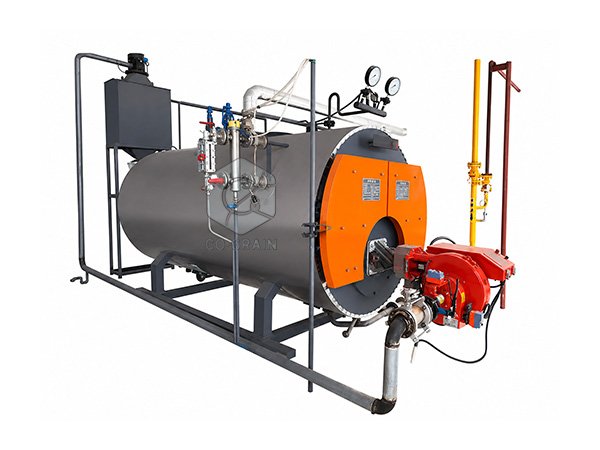
The Oil & Gas Steam Boiler is a packaged steam-generation system for indirect paddy-dryer heating, parboiling and other approved grain-processing duties. Available fuel options may include natural gas, LPG, light oil or another confirmed gaseous or liquid fuel.
The boiler should be selected from the actual steam-load profile, required pressure, fuel conditions, feedwater quality, condensate return and local pressure-equipment requirements. Boiler steam capacity should not be selected from grain throughput alone.
Key Benefits
- Controlled steam supply: Provides steam at the selected pressure for a dryer heat exchanger or approved process user.
- Indirect dryer heating: Keeps burner combustion gas separate from the grain-air circuit when correctly designed and installed.
- Fuel flexibility: Can be configured for confirmed natural gas, LPG or light-oil conditions.
- Packaged burner and controls: Coordinates firing, pressure control, feedwater and protective interlocks.
- Compact thermal system: Suitable where a clean, controllable steam source is required and fuel infrastructure is available.
- Project-based integration: Can include water treatment, steam distribution, condensate return, blowdown and flue equipment.
How the System Works
The burner mixes the confirmed fuel with combustion air and releases heat inside the boiler. Treated feedwater is converted into steam, which is distributed through a steam header to a dryer air heater, parboiling process or other approved user. Condensate may be returned where process conditions permit, while blowdown and flue gas are routed through the selected systems.
Fuel + Treated Feedwater -> Boiler and Burner -> Steam Header -> Dryer Air Heater / Parboiling -> Condensate Return
Typical Applications
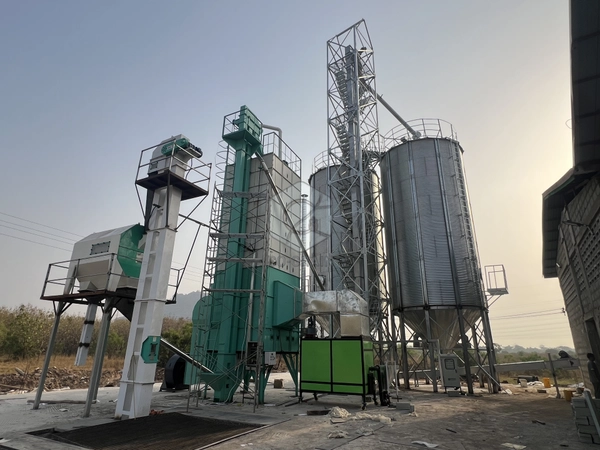
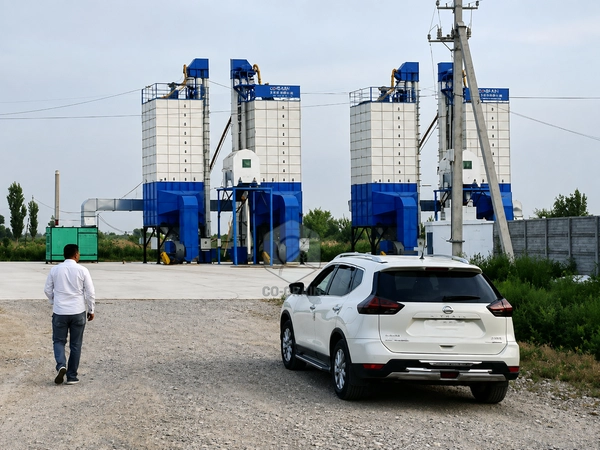
- Indirect paddy drying: Steam heats dryer air through a correctly selected heat exchanger.
- Parboiled-rice processing: Steam can serve confirmed soaking, steaming or related thermal stages.
- Shared process utilities: One boiler may supply several approved users when peak demand, pressure, priority and distribution are engineered together.
Operation and Safety
Steam boilers must be installed, commissioned, operated and inspected by qualified personnel under the requirements that apply at the project location. The approved boiler documentation should define operating limits, safety devices, inspection and maintenance responsibilities.
- Local approvals: Confirm pressure-equipment registration, inspection, certification and operator requirements before ordering.
- Safety devices: Verify relief devices, water-level controls, flame supervision, fuel shut-off, alarms and trips before operation.
- Water quality: Follow the approved treatment, testing and blowdown programme.
- Fuel safety: Maintain the approved gas train or oil-storage, pumping, filtration and spill-control arrangements.
- Routine maintenance: Inspect the boiler, burner, piping, insulation, electrical equipment and flue system at planned intervals.
FAQ
How is boiler capacity selected for a paddy dryer?
Capacity is calculated from the dryer heat duty, moisture removal, air-heater performance, operating schedule, losses and other simultaneous steam users.
Can one boiler serve both drying and parboiling?
Yes, when the combined load schedule, required pressure, header capacity, controls and condensate return are designed for both users.
Is this a direct-heating system?
The boiler generates steam. In an indirect drying system, steam heats the dryer air through a heat exchanger while combustion gas remains separate from the grain-air circuit.
Which fuel is better: natural gas, LPG or light oil?
The choice depends on local availability, delivered cost, supply reliability, storage or inlet conditions, emissions requirements and service support.
Why is water treatment required?
Unsuitable water can cause scale, corrosion, foaming and carryover, reducing heat transfer and affecting reliable operation.
Are fuel-consumption figures fixed?
No. Consumption depends on fuel heating value, steam pressure, load, feedwater temperature, burner adjustment, heat recovery and maintenance condition.