What Makes Parboiled Paddy Drying Different?
Parboiled paddy enters the dryer after soaking and steaming, not directly after harvest. It is wetter, hotter, softer and less free-flowing than ordinary paddy. Co-Grain develops the dryer and material-handling route around these conditions. The system uses staged moisture removal, reliable anti-bridging grain flow, gentle conveying, tempering and cooling before dehusking and milling.
Key Product Configuration
- Process position: After soaking and steaming; before dehusking and milling
- Material condition: High moisture, elevated temperature and poor flowability
- Main risks: Bridging, blockage, deformation and mechanical damage
- Process focus: Staged drying, tempering, cooling and controlled discharge
- Conveying focus: Low impact and reduced unnecessary screw handling
- Capacity basis: Matched with soaking and steaming output
Position in a Parboiled Rice Plant
Paddy Cleaning > Soaking > Steaming > Parboiled Paddy Drying > Tempering and Cooling > Dehusking > Milling > Sorting and Packing
The soaking, steaming and drying sections must be capacity-balanced. Wet steamed paddy should not accumulate for an uncontrolled period or overload the drying section.
Four Main Engineering Challenges
High Initial Moisture
The process may require staged drying and sufficient tempering rather than one aggressive high-temperature pass.
Poor Flowability
Hopper angles, grain channels and discharge mechanisms must reduce stagnant zones, bridging and blockage.
Soft Kernels
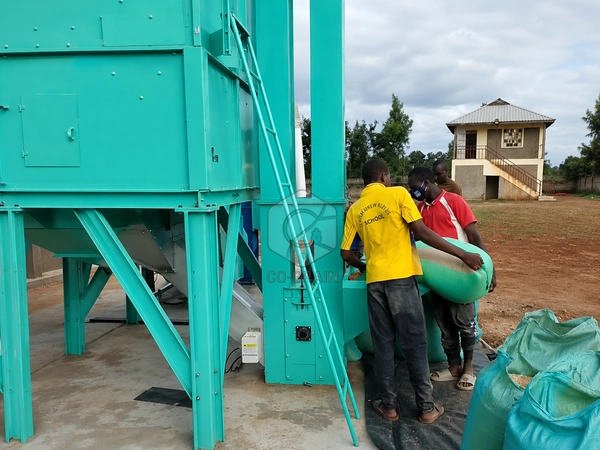
High drops and aggressive conveying can deform or damage soft steamed kernels. The equipment route should minimize unnecessary impact.
Outdoor Operating Conditions
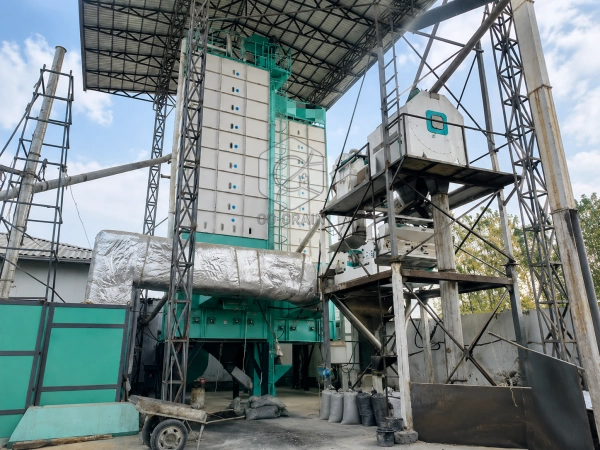
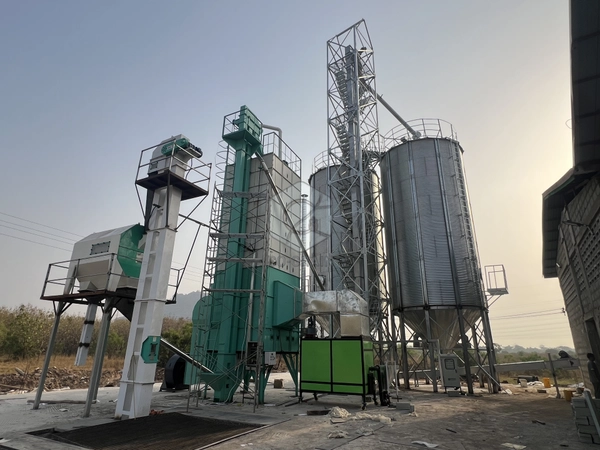
Where outdoor installation is required, weather protection, insulation, electrical protection, drainage, access and maintenance platforms must be included.
System Configuration
- Buffer and controlled feeding system
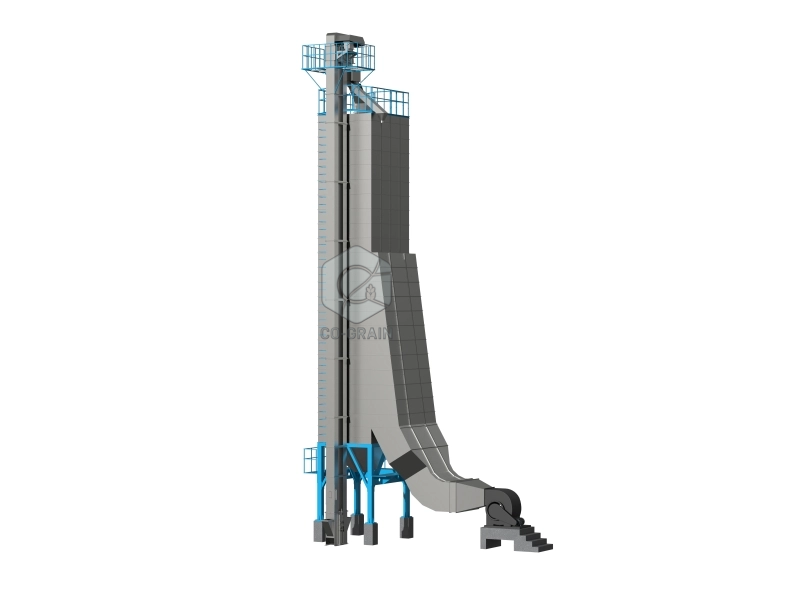
- Parboiled paddy dryer
- Anti-bridging grain channel and discharge system
- Gentle elevators and conveyors
- Heating system and temperature controls
- Tempering and cooling section
- Moisture and grain-temperature monitoring
- PLC, alarms and operating records
- Connection to dehusking and milling
Main Product Features
- Process designed for steamed paddy conditions
- Staged drying and tempering options
- Controlled grain flow and discharge
- Reduced-impact conveying arrangement
- Temperature and moisture monitoring
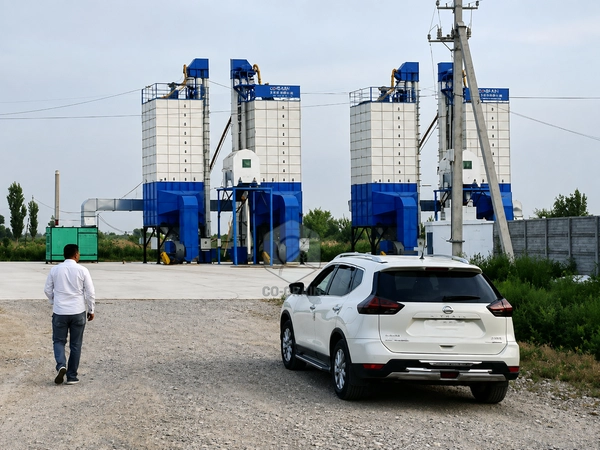
- Indoor or weather-protected outdoor layout options
- Coordination with soaking, steaming and milling capacity
Match the Dryer to the Parboiling Batch Schedule
Parboiled-paddy dryer capacity should be matched to the actual mass and moisture condition discharged from soaking and steaming, not to the finished-rice capacity alone. The project must define batch overlap, transfer time, buffer capacity, steam demand, dryer loading and the point at which dried paddy is ready for milling.
- Parboiling batch: Wet paddy mass, cycle time and discharge schedule
- Dryer feed: Moisture, temperature, flowability and allowable waiting time
- Drying program: Stages, temperature limits, tempering and cooling arrangement
- Transfer equipment: Hopper geometry, conveyor type, drop height and cleanout access
- Milling interface: Target moisture, resting time, storage and milling schedule
Reliable Operation, Maintenance and Safety
- Design hoppers and conveyors for the confirmed flowability of hot, wet parboiled paddy.
- Prevent uncontrolled waiting, bridging and local spoilage between steaming and drying.
- Monitor product temperature, moisture trend, airflow and discharge condition throughout the staged process.
- Confirm steam/heat-source safety, hot-surface protection, drainage, cleaning access and emergency shutdown.
- Establish a hygiene and cleanout plan for wet-process transfer and drying equipment.
FAQ
Why can an ordinary paddy dryer block when drying parboiled paddy?
Steamed paddy has poorer flowability and may bridge in grain channels or hoppers that were not designed for this condition.
Why is gentle conveying important?
Parboiled paddy is softer after steaming. Excessive impact, high drops or unsuitable screw conveying may increase deformation and mechanical damage.
How is dryer capacity matched with the parboiling line?
The calculation must include soaking and steaming output, inlet moisture, inlet temperature, required drying stages, buffer time and daily operating schedule.
Can the dryer be installed outdoors?
It can be considered only when the selected equipment and electrical system include suitable weather protection, insulation, drainage and maintenance access.