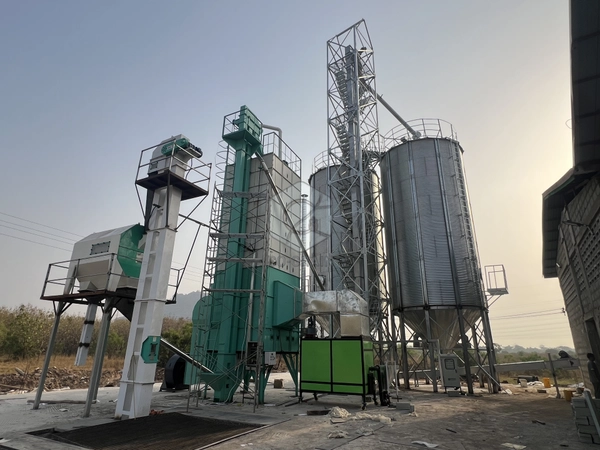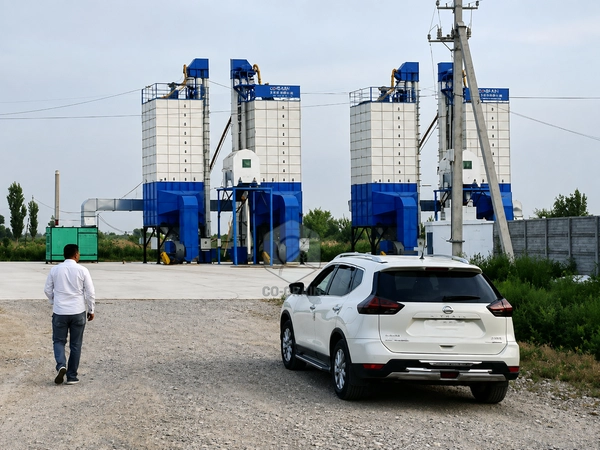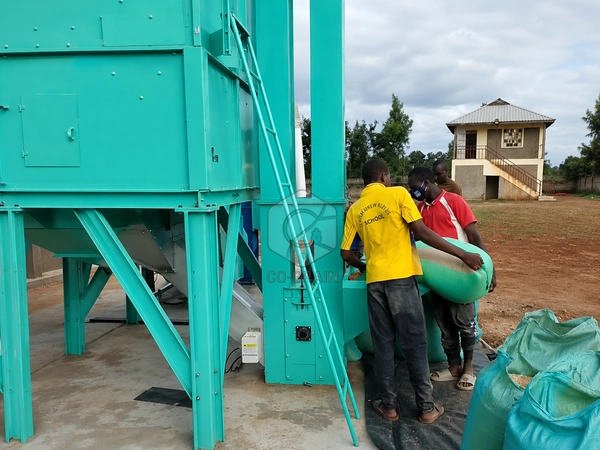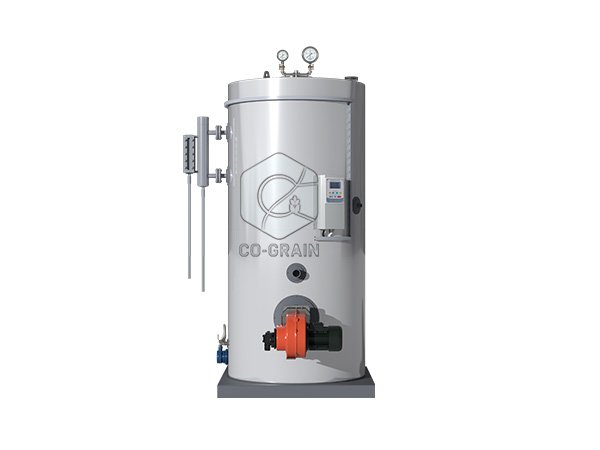
What is The Vertical Oil & Steam Boiler?
The Vertical Oil & Gas Steam Boiler is a compact steam-generation unit for projects that require a relatively small and responsive steam supply. Reference models cover steam outputs from 50 to 1,000 kg/h and can be configured for confirmed oil or gas fuel conditions.
The unit may supply steam to a correctly selected dryer air heater, parboiling process, feed-conditioning system or another approved utility user. Final selection should be based on the actual steam demand, pressure, fuel conditions, water quality and local pressure-equipment requirements – not on grain throughput alone.
Key Benefits
- Compact footprint: The vertical packaged arrangement is suitable for projects with limited boiler-room space.
- Responsive steam supply: The small-capacity range is intended for applications requiring relatively quick steam availability and load response.
- Oil or gas firing: The burner and fuel train can be selected for the confirmed gaseous or liquid fuel.
- Automatic controls: The control package can coordinate firing, pressure, feedwater and protective interlocks.
- Packaged installation: The unit can be connected with the required water, power, fuel, steam, blowdown and flue systems.
- Process integration: It can be combined with heat exchangers, condensate return and other grain-processing utilities.
How the System Works
The burner mixes the confirmed fuel with combustion air and releases heat inside the boiler. Treated feedwater absorbs the heat and is converted into steam. The steam is delivered through a header to an approved process user, while condensate may be returned where operating conditions permit. Blowdown and flue gas are handled through the selected discharge systems.
Fuel + Treated Feedwater -> Vertical Steam Boiler -> Steam Header -> Heat Exchanger / Process User -> Condensate Return
Typical Applications
- Small grain-dryer heating systems: Steam can heat dryer air through a correctly selected indirect heat exchanger.
- Parboiling and rice processing: Steam may serve confirmed soaking, steaming or related thermal duties.
- Feed-processing utilities: The unit may support approved conditioning or utility steam requirements in feed plants.
- Small process-steam users: Suitable for standalone, auxiliary or peak-load duties within the confirmed capacity range.
Operation and Safety
The vertical boiler combines pressurised steam, fuel, flame, high temperature, electricity and hot surfaces. It must be installed, commissioned, operated and inspected by qualified personnel in accordance with approved documentation and local requirements.
- Safety controls: Verify flame supervision, fuel shut-off, pressure controls, water-level protection, relief devices, alarms and trips.
- Water quality: Follow the approved feedwater treatment, testing and blowdown programme.
- Fuel system: Maintain the approved gas train or oil-storage, filtration and pumping arrangement.
- Boiler room: Provide ventilation, drainage, safe access, fire protection and a compliant flue route.
- Maintenance: Inspect the boiler, burner, valves, pumps, piping, electrical equipment and flue system at planned intervals.
FAQ
What is the steam-capacity range?
The listed reference models cover 50, 300, 500 and 1,000 kg/h at a reference pressure of 0.7 MPa. Final selection requires confirmation of the real steam demand and operating conditions.
Can the vertical boiler heat a grain dryer?
Potentially. It can supply steam to an indirect dryer air heater when its output and pressure match the required heat duty. Larger dryers may require a higher-capacity boiler system.
Does combustion gas contact the grain?
Not in a correctly designed indirect-heating arrangement. Steam transfers heat through an air heater while burner flue gas remains separate from the grain-air circuit.
Can the same boiler use both oil and gas?
Only when the supplied burner, fuel train, controls and documentation are configured and approved for the selected fuels.
Why is water treatment necessary?
Unsuitable water can cause scale, corrosion, foaming and carryover, reducing heat transfer and affecting reliable operation.
How does this product differ from a larger oil and gas boiler?
The vertical series serves small steam loads up to the listed 1,000 kg/h reference model. Larger or highly variable loads may require a different boiler series with a broader capacity and control range.