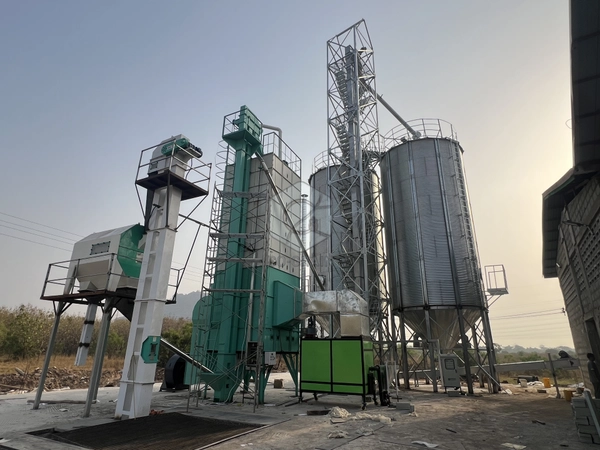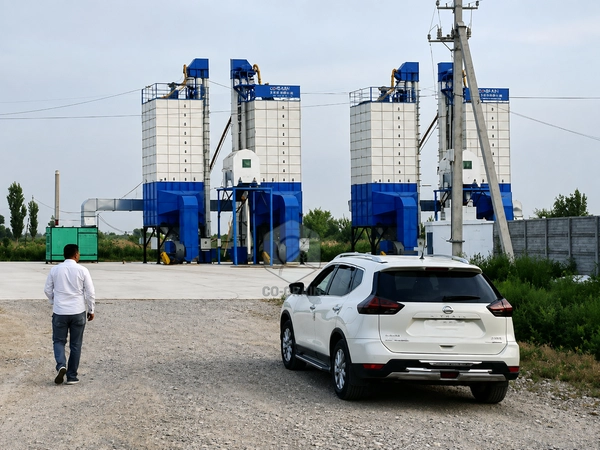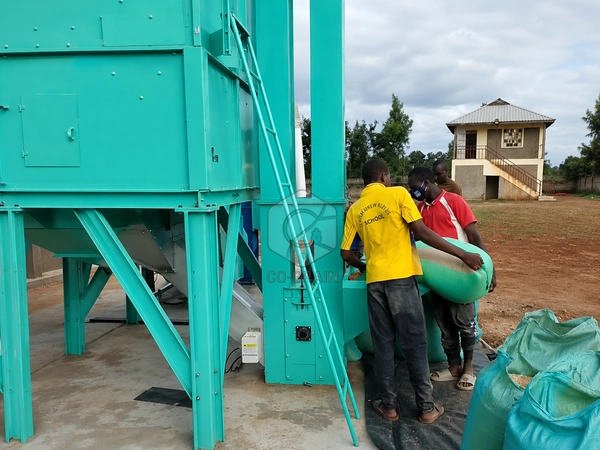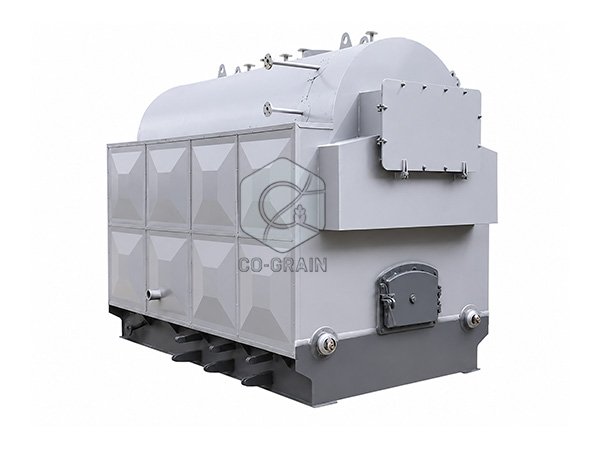
What is A Rice Husk Steam Boiler
The Rice Husk Steam Boiler is a biomass-fired steam-generation system designed for rice mills and grain-processing projects with a stable supply of prepared rice husk. It can supply steam to an indirect dryer air heater, a parboiling process or other approved utility users.
Reliable operation depends on more than the boiler itself. Fuel storage and feeding, combustion air, water treatment, steam distribution, ash handling, flue-gas cleaning and safety controls should be designed as one coordinated system.
Key Benefits
- Use of rice-mill by-product: Converts an available husk stream into a controlled source of process steam.
- Indirect dryer heating: Steam can heat dryer air through a correctly selected heat exchanger, keeping combustion gas separate from the grain-air circuit.
- Integrated fuel handling: Storage, conveying and metering equipment are selected for the actual husk condition.
- Flexible process use: Suitable for confirmed paddy drying, parboiling and rice-mill utility duties.
- Complete auxiliary scope: Can include feedwater treatment, condensate return, ash removal and flue-gas cleaning.
- Project-based engineering: Boiler duty is selected from steam demand, husk condition, operating schedule and local requirements.
How the System Works
Prepared rice husk is stored, conveyed and metered into the combustion system. Heat released in the furnace converts treated feedwater into steam. The steam is distributed to a dryer air heater, parboiling process or another approved user. Condensate can be returned where process conditions permit, while ash and flue gas are handled through the selected collection and cleaning equipment.
Husk Storage -> Metered Fuel Feed -> Boiler -> Steam Header -> Dryer Air Heater / Parboiling -> Condensate Return
Typical Applications
- Indirect paddy drying: Steam supplies a heat exchanger that produces heated drying air without sending combustion gas into the grain-air circuit.
- Parboiled-rice processing: Steam may support confirmed soaking, steaming and related thermal stages before drying.
- Rice-mill utilities: One boiler may serve multiple approved users when the pressure, load schedule and distribution system are designed for the combined demand.
Operation and Safety
Rice husk boilers combine combustible fuel and dust, high temperature, pressurised steam, moving equipment, ash and flue gas. Installation, commissioning, operation and inspection must follow the approved documentation and the requirements that apply at the project location.
- Qualified operation: Use trained personnel and complete all required registration and inspection procedures.
- Fuel and dust control: Maintain safe storage, transfer, housekeeping, ventilation and fire-protection arrangements.
- Water treatment: Follow the approved testing, chemical treatment and blowdown programme.
- Protective devices: Verify water-level controls, relief devices, alarms, trips and fuel-feed interlocks before operation.
- Routine maintenance: Inspect the grate, feeder, conveyors, fans, refractory, pressure parts, ash system and flue route at planned intervals.
FAQ
Can a rice mill use its own husk to heat a paddy dryer?
Yes, when the mill has a reliable husk supply and the boiler, fuel handling, heat exchanger, ash system and controls are designed for the actual dryer duty.
How is boiler capacity selected?
Capacity is calculated from the steam demand, required pressure, dryer or process heat duty, operating schedule, losses and other simultaneous steam users.
Does smoke enter the dryer?
Not in a properly designed indirect-heating system. Steam transfers heat through an air heater while combustion gas remains separate from the grain-air circuit.
Why must husk moisture and ash be checked?
They affect fuel flow, ignition, usable heat, combustion stability, ash quantity, maintenance and fuel-consumption calculations.
Can the boiler burn other biomass fuels?
Only when the selected grate, furnace, feeder, air system, ash arrangement and documentation confirm suitability for the named fuel.
Can one boiler serve drying and parboiling?
Yes, if the combined steam-load schedule, pressure, header capacity, controls and condensate return are engineered for simultaneous use.