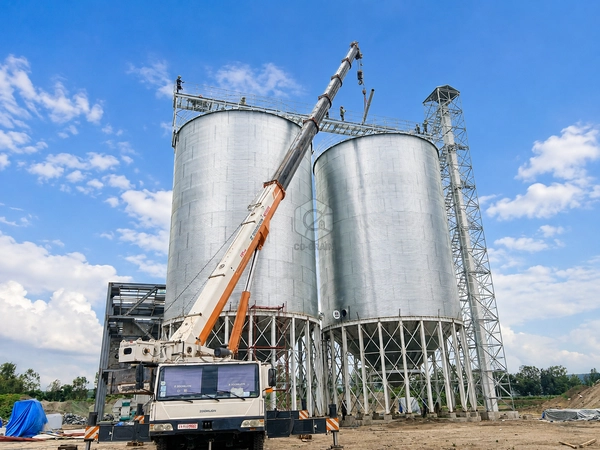
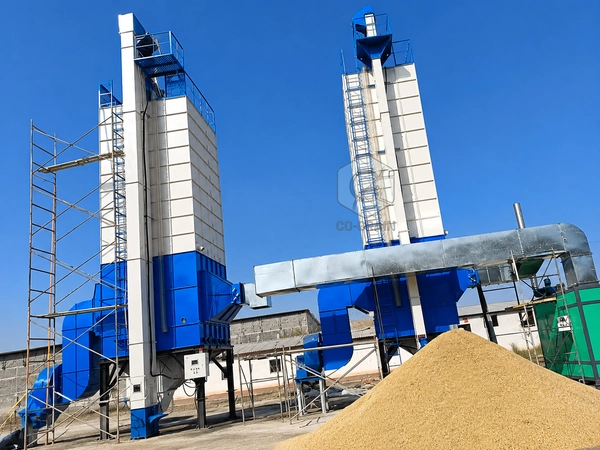
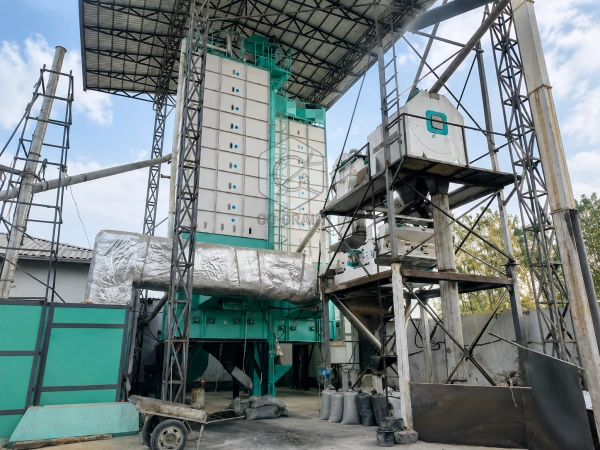
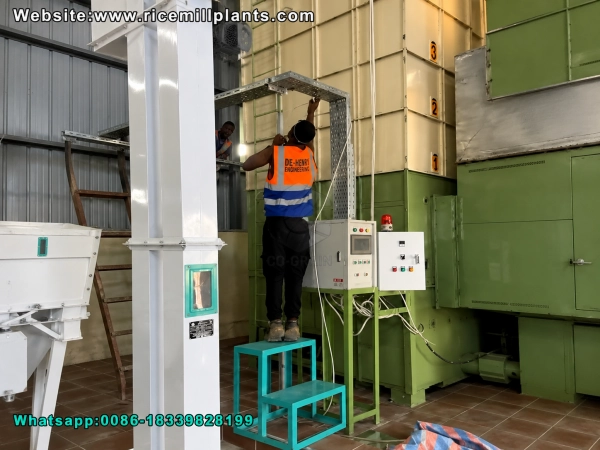
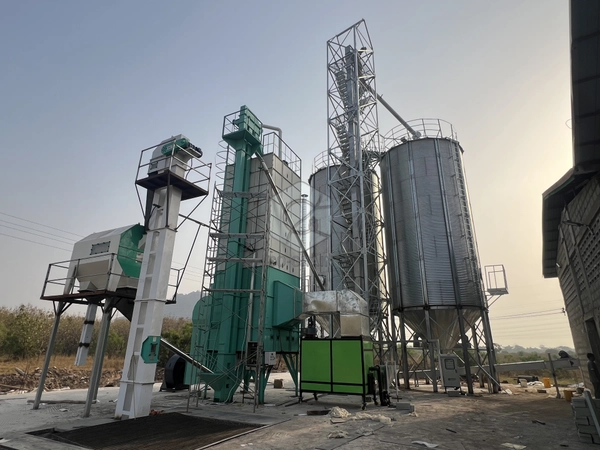
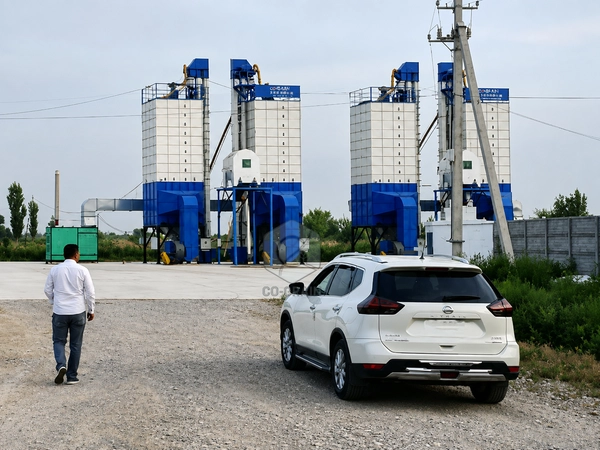
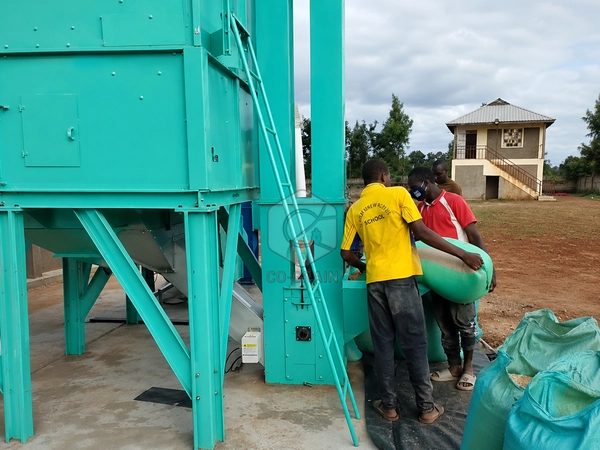
On World Food Day 2026, discover how modern grain drying, cleaning, conveying, and storage systems contribute to reducing post-harvest losses, preserving grain quality, and strengthening global food security. From grain harvesting and receiving to drying, handling, and safe storage, efficient grain management plays a vital role in protecting valuable food resources. Co-Grain provides integrated grain drying and storage solutions designed to improve operational efficiency, minimize grain losses, and support sustainable grain processing. Explore how our engineering solutions help build a more reliable, efficient, and sustainable future for the global grain industry.

Innovate today. Nourish tomorrow. Reducing post-harvest losses and protecting every grain.
World Food Day 2026 highlights the importance of innovation, traditional knowledge and inclusive cooperation in building sustainable agrifood systems. Food security depends on producing enough food and protecting the crops already harvested.
For paddy rice, maize, wheat and other grains, drying, cleaning, conveying and storage are essential links between harvest and safe utilization. Without appropriate post-harvest management, moisture, mold, mechanical damage and quality deterioration can reduce both usable quantity and commercial value.
Why Grain Drying Matters After Harvest
Freshly harvested grain often contains moisture that must be reduced before safe storage or processing. The required conditions vary with crop type, initial moisture, climate and harvest weather.
Traditional sun drying can work when weather, space and labor are available. Rainfall, uneven drying and contamination create additional risks. Mechanical grain drying provides more controlled temperature, airflow and operating time, helping facilities achieve more consistent moisture reduction.
Drying is not simply a race to remove moisture. The goal is to reach the required final moisture content while protecting grain quality and avoiding unnecessary thermal or mechanical damage.
Protecting Quality Through Temperature and Moisture Control
Paddy rice, maize, wheat, barley and sorghum have different drying characteristics. Paddy rice requires careful control of temperature, drying rate and internal moisture movement because excessive stress can increase kernel fissuring and reduce head rice yield.
For maize, drying parameters depend on initial moisture, kernel properties, capacity and intended use. Wheat, barley and other cereals also require conditions matched to their storage and processing requirements.
From Grain Receiving to Safe Storage
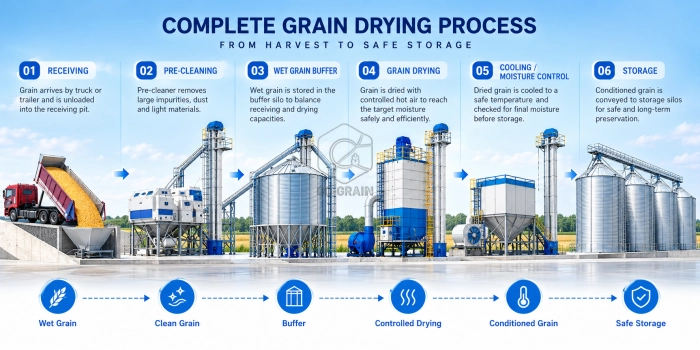
A grain drying project performs as a complete system. Receiving capacity, pre-cleaning, wet grain buffering, conveying and storage arrangements all influence the result.
Receiving and pre-cleaning
Receiving facilities collect incoming crops. Pre-cleaning removes selected impurities such as straw, dust and leaves, supporting stable downstream operation.
Wet grain buffering
Buffer silos coordinate incoming grain with available drying capacity. Wet grain holding time and conditions must be managed carefully.
Drying and conveying
Batch, recirculating batch or continuous-flow dryers may be selected according to crop, capacity and operating conditions. Bucket elevators, chain conveyors and belt conveyors connect each stage.
Dry storage
Safe storage requires attention to temperature, moisture, duration, ventilation and monitoring. Drying alone does not guarantee safe long-term storage.
Different Regions Need Different Solutions
Southeast Asian rice projects may prioritize rainy-season drying and milling quality. African grain facilities may focus on maize, paddy and wheat infrastructure. Central Asian projects may require centralized collection, drying, storage and conveying.
Crop variety, initial moisture, climate, energy source, operating schedule and storage requirements all influence equipment selection. Co-Grain combines dryers, pre-cleaners, conveying systems, steel silos and automation according to each project’s conditions.

Engineering Innovation Helps Reduce Losses
Modern systems continue to improve moisture control, energy efficiency and operating reliability. Automation and process monitoring help operators coordinate drying parameters and related equipment, while better layout design can reduce bottlenecks between receiving, drying and storage.
Technology delivers value when it is matched to the project. Reliable results require suitable equipment, process planning, careful installation and proper operating procedures.
Protecting Every Grain
World Food Day 2026 reminds us that food security involves every stage of the agricultural supply chain. Harvesting more grain matters, and protecting the grain already produced matters just as much.
Co-Grain will continue developing integrated grain drying and storage solutions through practical engineering innovation, equipment improvement and coordinated system design.
Discuss Your Project
Need a Complete Grain Drying & Storage Solution?
Co-Grain provides turnkey grain drying plants, grain storage silos, cleaning, conveying, and automation systems for modern grain handling facilities. Our equipment includes batch and continuous grain dryers, paddy dryers, grain cleaners, bucket elevators, chain conveyors, and belt conveyors.
From engineering design and equipment manufacturing to installation and commissioning, we deliver reliable, customized solutions for paddy rice, maize, wheat, barley, sorghum, and other grains.
Talk to Co-Grain
Planning a new project or upgrading an existing facility? Contact us for a customized solution and free quotation.
Henan Co-Grain Machinery Engineering Co., Ltd.
Email: info@ricemillplants.com
WhatsApp: 0086 18339828199