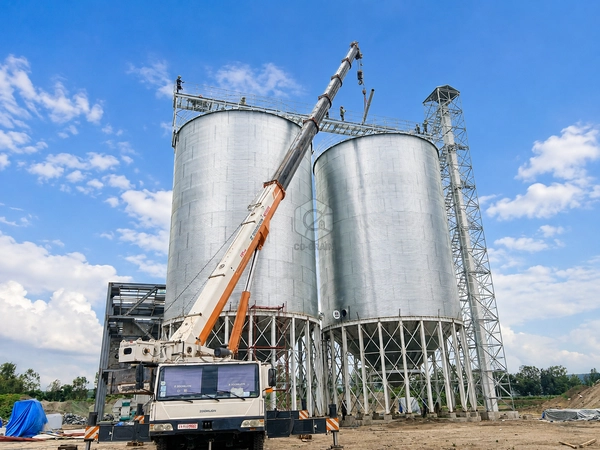
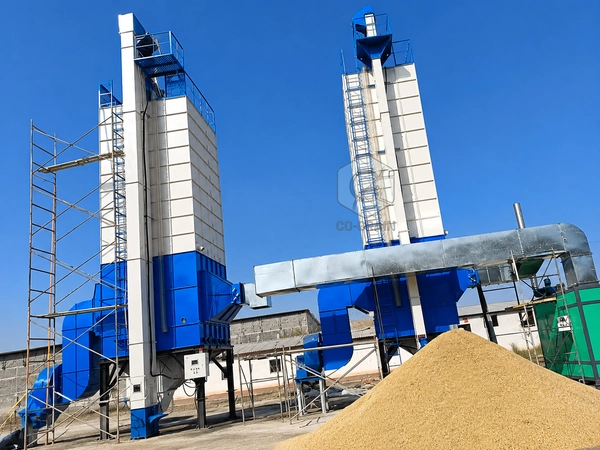
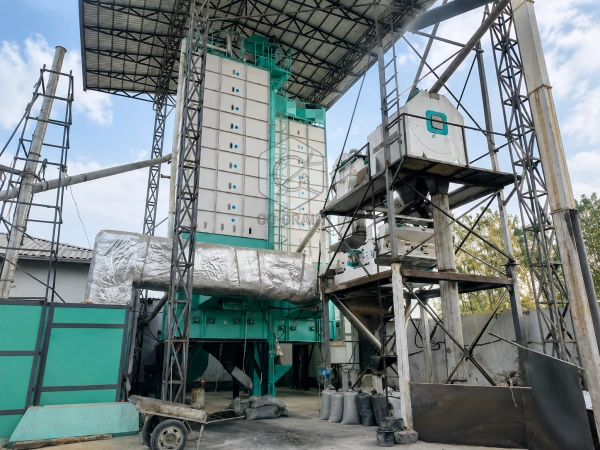
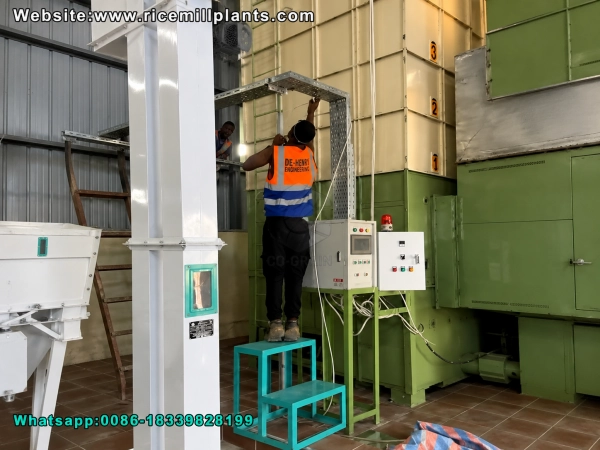
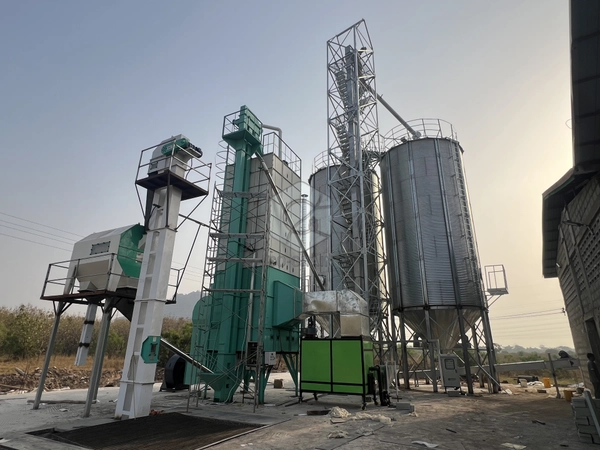
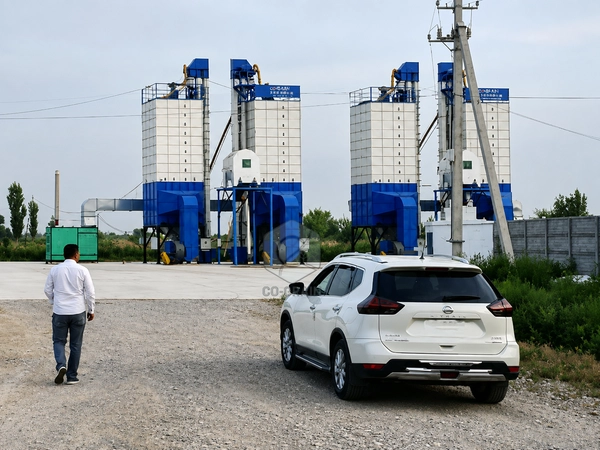
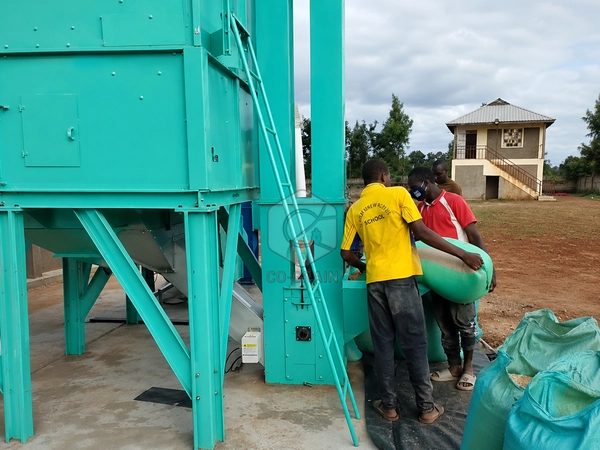
Discover how modern grain conveying systems efficiently transport paddy rice, corn, wheat, barley, soybeans, and other bulk grains through receiving, cleaning, drying, silo storage, and processing facilities. Explore the working principles and applications of bucket elevators, drag chain conveyors, belt conveyors, and screw conveyors, and learn how these machines integrate into complete grain handling systems. Understand how proper conveyor selection, capacity planning, and system design can improve material flow, reduce grain damage, enhance operational efficiency, and ensure reliable performance in grain drying plants, storage silos, rice mills, and grain processing facilities.
A complete grain conveying system connects receiving, cleaning, drying, silo storage and processing equipment. The right combination of elevators and conveyors keeps grain moving steadily while reducing dust, breakage, blockage and unnecessary transfer points.
What Is a Grain Conveying System?
A grain conveying system is a coordinated network of conveyors, bucket elevators, chutes, gates, distributors, sensors and controls used to move bulk grain between process points. Grain rarely travels from a truck to a silo with one machine; each route is selected for its distance, elevation, capacity and handling requirements.
Good system design treats the entire material route as one process. Conveyor capacity must match the dryer, cleaner, elevator and silo operation so that one undersized machine does not become the plant bottleneck.
Main Grain Conveying Equipment
Modern grain plants usually combine several conveyor types. Each machine performs a different task.
Bucket Elevator
Provides major vertical lifting from receiving, cleaning or drying areas to a higher machine or silo. Buckets collect grain in the boot and discharge it at the head.
Drag Chain Conveyor
Moves grain through an enclosed casing with a motor-driven chain and flights. It suits horizontal or slight-incline routes, silo tops, silo bottoms and dryer connections.
Belt Conveyor
Uses a continuous belt for medium or long horizontal transfer where gentle handling, flexible routing and visible material flow are priorities.
Screw Conveyor
Uses a rotating helical flight for compact feeding, hopper discharge and selected short-distance collection duties.
Enclosed Belt Conveyor
Places a belt inside a protective housing for outdoor routes, silo galleries and improved weather and dust protection.
Air Cushion Belt Conveyor
Supports the loaded belt on a thin air layer and can be considered for selected high-capacity, long-distance routes.
How Does Grain Conveying Work?
At the receiving end, grain enters a pit or hopper and is metered into a horizontal conveyor. A bucket elevator then raises it to the cleaner or buffer silo. After drying, another conveyor and elevator route the grain to a distribution conveyor above the storage silos.
At the silo bottom, gravity outlets and gates feed a collecting conveyor. The line may then connect to an elevator, truck loading point, weighing system or rice mill. Interlocks and level sensors coordinate each machine so grain is not fed into a blocked or unavailable downstream route.
Drag Chain Conveyor for Grain Handling
A grain drag chain conveyor uses one or more endless chains fitted with flights or scrapers. The chain drags a controlled bed of grain through an enclosed trough from one or more inlets to one or more discharge points.
Key components
Conveyor casing, chain and flights, drive sprocket, tail sprocket, motor, gearbox, take-up, inlet, outlet and inspection covers.
Why plants use it
Enclosed transfer limits spillage, supports dust control, allows compact routing and can serve several silo inlets or outlets when properly designed.
Its low-speed, enclosed movement is often useful for paddy, maize, wheat, barley and other bulk grains. Final suitability still depends on capacity, moisture, inclination, route length and grain-quality requirements.
Where Is a Grain Conveying System Used?
| Plant area | Typical route | Design priority |
|---|---|---|
| Receiving | Pit → conveyor → elevator | Peak intake capacity and blockage resistance |
| Dryer feeding | Wet buffer → feeder → dryer | Stable, controlled flow to the dryer |
| Silo filling | Elevator → top conveyor → selected silo | Distribution, level monitoring and dust control |
| Silo discharge | Outlet → collecting conveyor → elevator | Outlet sequence, cleanout and safe operation |
| Rice milling | Storage → cleaner → husker → whitener → grader | Gentle handling and reliable process connection |
How to Choose the Right Grain Conveyor
Use the conveying task as the starting point, then confirm the complete project conditions.
- Grain: paddy, maize, wheat, barley, sorghum, seed or another material.
- Capacity: required tons per hour, peak receiving rate and dryer throughput.
- Route: horizontal distance, vertical lift, inclination and available space.
- Condition: moisture, temperature, impurities, bulk density and flowability.
- Handling quality: acceptable breakage, transfer height and conveying speed.
- Integration: number of inlets, outlets, gates, distributors, sensors and control points.
- Environment: indoor or outdoor installation, dust collection, weather and corrosion conditions.
| Conveying task | Equipment to evaluate |
|---|---|
| Major vertical lift | Bucket elevator |
| Enclosed horizontal transfer | Drag chain conveyor |
| Long or gentle horizontal route | Belt conveyor |
| Short compact feeding or discharge | Screw conveyor |
| Selected long, high-capacity gallery route | Air cushion belt conveyor |
For detailed project selection, see how to choose a grain conveyor.
Capacity, Grain Quality and Safety
Conveyor capacity depends on more than motor power. Conveyor width, speed, filling ratio, bulk density, chain or belt configuration, inclination, inlet design and outlet conditions all affect the actual tons per hour.
Wet grain may have lower flowability and a greater tendency to bridge or adhere. It needs suitable hopper geometry, cleanout access and controlled loading. Dry grain may flow more easily, but dust at inlets, transfer chutes, elevator heads and silo filling points still requires attention.
Frequently Asked Questions
What is the best conveyor for vertical grain lifting?
A bucket elevator is commonly used for major vertical lifting in commercial grain plants.
Which conveyor is suitable for silo-top filling?
Drag chain, belt or air cushion belt conveyors may be selected according to distance, capacity, discharge points and silo layout.
Can one bucket elevator serve several silos?
Yes. A top distribution conveyor can route grain from one elevator to multiple silo inlets when capacity, supports, gates and control logic are correctly designed.
Is a drag chain conveyor better than a belt conveyor?
Neither is universally better. Drag chains are useful for enclosed, compact and multi-discharge routes, while belts often suit longer, straighter and gentler horizontal transfer.
How is grain conveyor capacity calculated?
Capacity is based on the required tons per hour together with grain density, conveyor geometry, speed, filling ratio, inclination and transfer-point conditions.
Discuss Your Project
Need a Complete Grain Drying & Storage Solution?
Co-Grain provides turnkey grain drying plants, grain storage silos, cleaning, conveying, and automation systems for modern grain handling facilities. Our equipment includes batch and continuous grain dryers, paddy dryers, grain cleaners, bucket elevators, chain conveyors, and belt conveyors.
From engineering design and equipment manufacturing to installation and commissioning, we deliver reliable, customized solutions for paddy rice, maize, wheat, barley, sorghum, and other grains.
Talk to Co-Grain
Planning a new project or upgrading an existing facility? Contact us for a customized solution and free quotation.
Henan Co-Grain Machinery Engineering Co., Ltd.
Email: info@ricemillplants.com
WhatsApp: 0086 18339828199